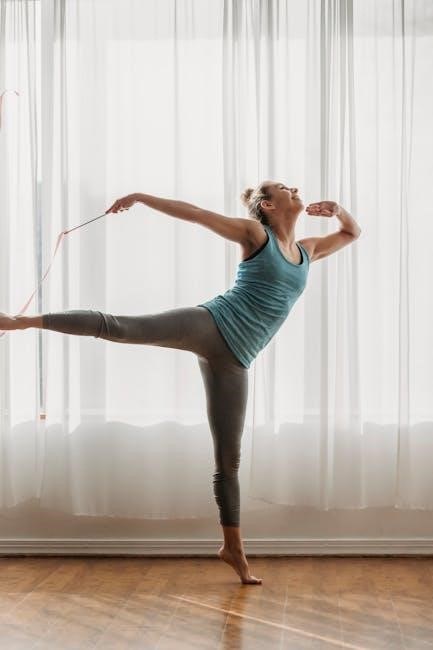
Full body stretching routines‚ often available as a PDF‚ are gaining popularity for improving mobility and flexibility. These routines‚ ranging from 12 to 30 minutes‚ cater to all levels!
Benefits of a Regular Stretching Routine
Consistent stretching‚ easily implemented with a full body stretching routine PDF‚ offers a wealth of benefits beyond just increased flexibility. Regular practice demonstrably eases muscle stiffness and boosts circulation‚ contributing to overall physical well-being. A long‚ supple muscle is a strong muscle‚ enhancing performance before workouts and aiding recovery afterward.
Furthermore‚ stretching can relieve tension and restore mobility‚ particularly beneficial after activities like walking. It’s not about achieving extreme flexibility overnight; even incorporating a quick 12-minute routine daily can yield significant improvements. The key‚ as experts emphasize‚ is consistency – finding a routine that fits your life and sticking with it. Prioritizing stretching is an investment in long-term health and physical capability.
Who Can Benefit from Full Body Stretching?
Full body stretching‚ readily accessible through a routine PDF‚ isn’t limited to athletes or fitness enthusiasts; it’s beneficial for almost everyone! Specifically‚ those new to flexibility training will find programs designed for beginners particularly helpful‚ addressing common areas of tightness like shoulders‚ hips‚ and hamstrings.
Individuals experiencing muscle stiffness‚ regardless of age or activity level‚ can experience relief. Even those with desk jobs‚ prone to tightness in wrists and thoracic spine‚ will find targeted stretches valuable. The beauty of these routines is their adaptability – you can tailor the intensity and duration to your individual needs and capabilities. Ultimately‚ anyone seeking improved mobility‚ reduced tension‚ and enhanced physical well-being can benefit.
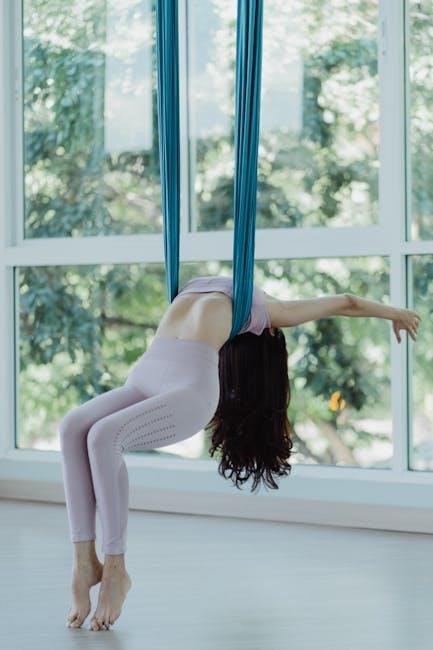
Upper Body Stretching Routine
Full body stretching routine PDFs commonly dedicate a significant portion to the upper body‚ focusing on shoulders‚ wrists‚ and the thoracic spine for improved mobility.
Shoulder Stretches
Shoulder stretches are a cornerstone of any comprehensive full body stretching routine PDF‚ addressing common tightness from daily activities and exercise. Many routines‚ like those found on Reddit’s r/flexibility‚ prioritize shoulder mobility.
These stretches often include the Cross-Body Shoulder Stretch‚ effectively targeting the rear deltoid‚ and the Overhead Triceps Stretch‚ which also impacts shoulder flexibility. A well-designed PDF will illustrate proper form to prevent injury.
Focusing on these areas unlocks greater strength and range of motion. Beginners will find these stretches particularly beneficial‚ as they address typical inflexibility. Consistent practice‚ guided by a PDF‚ yields noticeable improvements.
Cross-Body Shoulder Stretch
The Cross-Body Shoulder Stretch is a fundamental exercise frequently included in full body stretching routine PDFs. It’s designed to improve flexibility in the posterior shoulder muscles‚ particularly the rear deltoid. To perform it‚ bring one arm across your body‚ and use the opposite arm to gently pull it closer.
A good PDF guide will emphasize maintaining a straight back and avoiding overextension. Hold the stretch for 20-30 seconds‚ feeling a gentle pull‚ not pain. This stretch is often recommended for beginners due to its accessibility and effectiveness.
Regularly incorporating this stretch‚ as outlined in a routine‚ can alleviate tension and improve overall shoulder mobility‚ contributing to better posture and reduced risk of injury.
Overhead Triceps Stretch
The Overhead Triceps Stretch is a key component of many full body stretching routine PDFs‚ targeting the triceps brachii muscle. To execute this stretch‚ raise one arm overhead‚ bending it at the elbow so your hand reaches towards the middle of your back. Use your other hand to gently pull the elbow further down.
PDF guides often highlight the importance of keeping your core engaged and back straight during this exercise. Hold the stretch for 20-30 seconds‚ focusing on a gentle‚ comfortable pull. This stretch is beneficial for improving arm flexibility and range of motion.
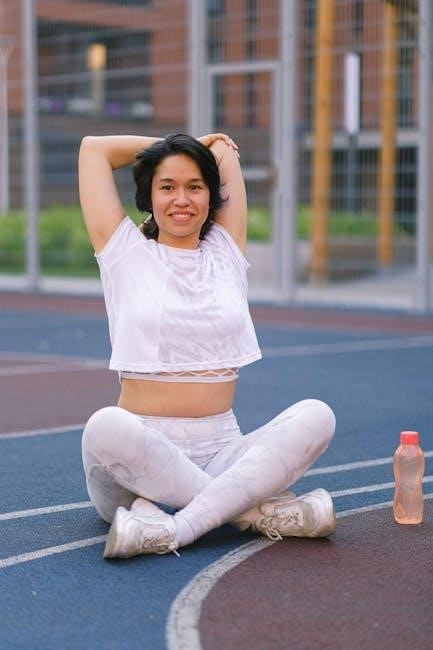
Consistent practice‚ as detailed in a stretching routine‚ can help relieve tension in the upper arm and improve posture.
Thoracic Spine Mobility
Full body stretching routine PDFs frequently emphasize the importance of thoracic spine mobility‚ often overlooked in typical stretching. A stiff thoracic spine can contribute to shoulder and lower back pain. Exercises targeting this area aim to improve rotation and extension.
Many routines include stretches like the Thread the Needle‚ detailed in online resources‚ which promotes spinal rotation. PDF guides often illustrate proper form‚ emphasizing controlled movements and avoiding overextension.
Improving thoracic mobility enhances posture‚ breathing‚ and overall movement efficiency. Consistent practice‚ as outlined in a comprehensive stretching plan‚ is crucial for long-term benefits.
Thread the Needle Stretch
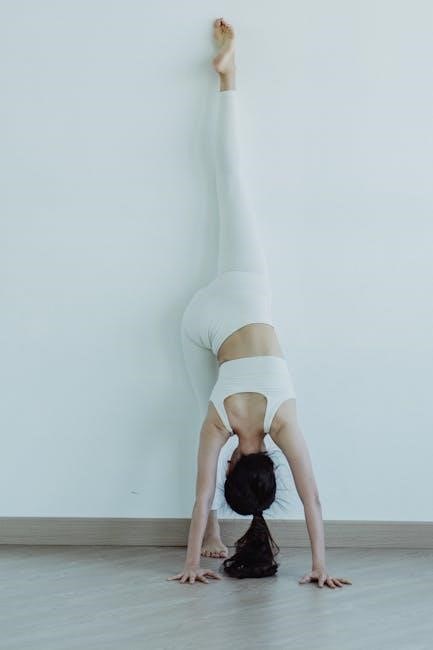
Full body stretching routine PDFs commonly feature the Thread the Needle Stretch as a key exercise for thoracic spine mobility. This stretch effectively targets the mid-back‚ improving rotation and relieving tension. Instructions within these PDF guides typically begin from a tabletop position – on hands and knees.
You thread one arm under your body‚ rotating your torso and lowering your shoulder towards the floor. Maintaining a straight opposite arm‚ you feel a gentle stretch across the upper back.
Proper form‚ as demonstrated in accompanying visuals‚ is vital to avoid strain. Holding the stretch for 20-30 seconds‚ repeated several times‚ maximizes its benefits.
Wrist and Forearm Stretches
Full body stretching routine PDFs often dedicate a section to wrist and forearm stretches‚ recognizing the importance of these often-overlooked areas. Prolonged computer use or repetitive hand movements can lead to tightness and discomfort. These PDF guides typically include the Wrist Flexor and Extensor Stretch.
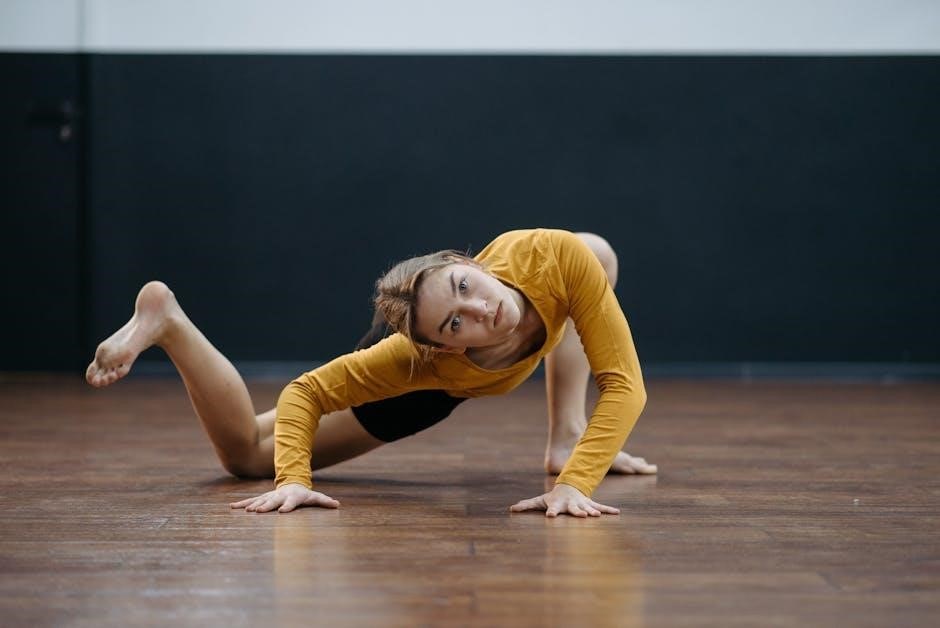
To perform this stretch‚ extend one arm forward‚ palm up‚ and gently bend the wrist downwards with the opposite hand. Repeat with the palm facing down‚ bending the wrist upwards.
Holding each stretch for 15-30 seconds‚ and repeating 2-3 times‚ improves flexibility and reduces the risk of carpal tunnel syndrome. Visual aids within the PDF demonstrate correct alignment.
Wrist Flexor and Extensor Stretch
Full body stretching routine PDFs consistently feature the Wrist Flexor and Extensor Stretch as a crucial component for hand and forearm health. These PDF guides detail how to effectively target both sides of the forearm.
For the flexor stretch‚ extend your arm‚ palm facing up‚ and gently pull your fingers towards your body with your other hand. For the extensor stretch‚ reverse the hand position (palm down) and pull the fingers back.
Hold each stretch for 15-30 seconds‚ repeating 2-3 times per arm. PDF illustrations often emphasize maintaining a gentle‚ pain-free stretch‚ improving range of motion and alleviating tension.
Lower Body Stretching Routine
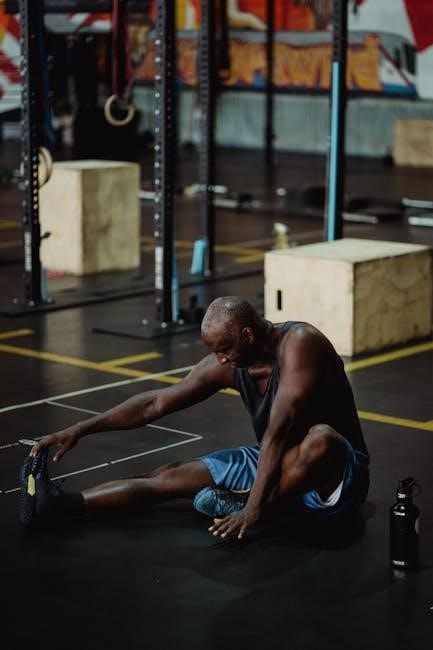
Full body stretching routine PDFs emphasize lower body flexibility‚ focusing on hips‚ hamstrings‚ and calves to improve mobility and prevent injury.
Hip Flexor Stretches
Hip flexor stretches are crucial components of any comprehensive full body stretching routine PDF‚ particularly for those with inflexibility. Tight hip flexors can contribute to lower back pain and limited mobility. A commonly recommended exercise is the Kneeling Hip Flexor Stretch‚ detailed in many online resources and cheat sheets.
This stretch involves kneeling on one knee‚ with the other foot forward at a 90-degree angle. Gently lean forward‚ feeling the stretch in the front of the hip of the kneeling leg. Maintaining a neutral spine is key. Yoga instructors often suggest incorporating this stretch into a daily routine‚ especially first thing in the morning‚ to counteract the effects of prolonged sitting.
Many PDF guides emphasize proper form to maximize benefits and avoid injury.
Kneeling Hip Flexor Stretch
The Kneeling Hip Flexor Stretch‚ frequently detailed in full body stretching routine PDFs‚ effectively targets the iliopsoas and rectus femoris muscles. Begin by kneeling on a soft surface‚ placing one knee on the ground and the other foot forward‚ bent at a 90-degree angle.
Maintain an upright posture and gently push your hips forward‚ feeling a stretch in the front of the hip of the kneeling leg. Avoid arching your lower back; engage your core to maintain a neutral spine. Hold the stretch for 20-30 seconds‚ repeating 2-3 times on each side.
Many PDF guides include visual aids demonstrating proper form. This stretch is often recommended as a starting point for beginners due to its accessibility and effectiveness in improving hip mobility.
Hamstring Stretches
Hamstring stretches are a cornerstone of most full body stretching routine PDFs‚ crucial for improving lower body flexibility and preventing injuries. Tight hamstrings can contribute to lower back pain and limited range of motion.
Common variations‚ often illustrated in these guides‚ include the Seated Hamstring Stretch – sitting with legs extended and reaching towards your toes – and the Standing Hamstring Stretch‚ involving a slight bend in the knee while hinging at the hips.
Remember to keep your back straight and avoid bouncing. Hold each stretch for 20-30 seconds‚ repeating several times. PDF resources often emphasize the importance of controlled movements and proper form for maximizing benefits and minimizing risk.
Seated Hamstring Stretch
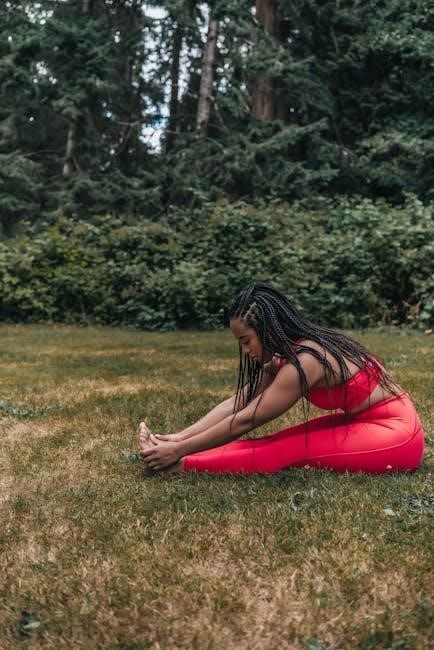
The Seated Hamstring Stretch is a foundational exercise frequently detailed in full body stretching routine PDFs. To perform it‚ sit on the floor with your legs extended straight out in front of you. Maintaining a straight back is key – avoid rounding your spine.
Reach forward towards your toes‚ keeping your knees as straight as comfortably possible. You don’t need to touch your toes; focus on feeling a gentle stretch in the back of your legs. Many PDF guides suggest using a towel or strap looped around your feet if you can’t reach.
Hold the stretch for 20-30 seconds‚ breathing deeply. Repeat 2-3 times. PDF resources often highlight the importance of avoiding bouncing and listening to your body.
Standing Hamstring Stretch
The Standing Hamstring Stretch is a common inclusion in full body stretching routine PDFs‚ offering a convenient option for those preferring to stretch upright. Begin by standing with your feet hip-width apart. Gently extend one leg forward‚ placing your heel on the ground and your toes pointing upwards.
Keeping your back straight‚ hinge at the hips and lean forward until you feel a stretch in the back of your extended leg. Avoid rounding your back; maintain a neutral spine. Many PDF guides recommend a slight bend in the supporting knee.
Hold the stretch for 20-30 seconds‚ breathing deeply. Repeat 2-3 times on each leg. PDF resources emphasize controlled movements and avoiding overextension.
Calf Stretches
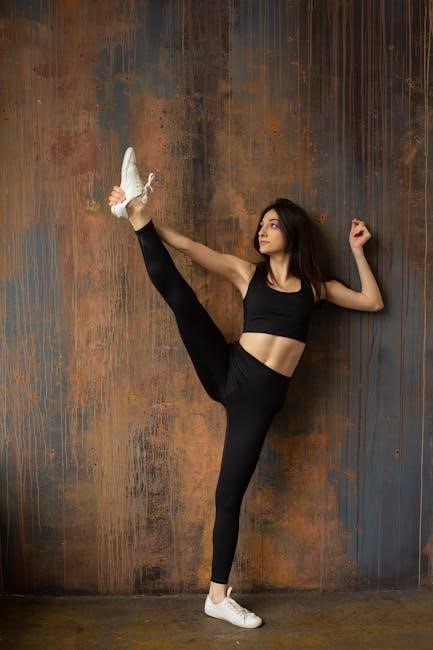
Calf stretches are essential components of most full body stretching routine PDFs‚ addressing tightness often resulting from walking or exercise. These stretches target both the gastrocnemius and soleus muscles‚ requiring variations for optimal results. PDF guides frequently detail both straight-leg and bent-leg stretches.
The Gastrocnemius Stretch (straight leg) involves leaning against a wall with one leg extended back‚ heel firmly planted. The Soleus Stretch (bent leg) mirrors this‚ but with a slight bend in the rear knee‚ isolating the lower calf muscle.
Hold each stretch for 20-30 seconds‚ repeating 2-3 times per leg. PDF resources often include visual aids demonstrating proper form and emphasize controlled‚ pain-free movements.
Gastrocnemius Stretch (Straight Leg)
Full body stretching routine PDFs consistently feature the Gastrocnemius Stretch as a foundational calf exercise. This stretch targets the larger‚ more superficial calf muscle‚ crucial for ankle mobility and preventing lower leg injuries. PDF guides illustrate performing this stretch by facing a wall‚ placing one foot slightly behind the other.
Maintain a straight back and lean forward‚ keeping the rear heel firmly planted on the ground. You should feel a stretch along the upper portion of your calf. PDF resources emphasize keeping the leg straight throughout the movement.
Hold the stretch for 20-30 seconds‚ repeating 2-3 times per leg. Proper form‚ as detailed in PDFs‚ avoids knee hyperextension.
Soleus Stretch (Bent Leg)
Full body stretching routine PDFs often pair the Gastrocnemius stretch with the Soleus Stretch‚ targeting the deeper calf muscle. This stretch is vital for overall ankle flexibility and is frequently included in routines for beginners. PDF guides demonstrate performing this stretch similarly to the Gastrocnemius stretch‚ but with a key difference.
Bend the rear knee slightly while maintaining the heel on the ground. This alteration shifts the focus to the Soleus muscle. PDF resources highlight the importance of a controlled bend‚ avoiding any bouncing or jerking movements.
Hold for 20-30 seconds‚ repeating 2-3 times per leg. PDF instructions often include visual aids to ensure correct form and maximize the stretch’s effectiveness.
Integrating Stretching into Your Daily Life
Full body stretching routine PDFs emphasize consistency; fitting stretches into your day‚ even briefly‚ is key for lasting flexibility and improved well-being!
Best Time to Stretch
Determining the optimal time to incorporate a full body stretching routine‚ often found as a convenient PDF‚ largely depends on individual preferences and lifestyle. Many find stretching first thing in the morning beneficial‚ gently waking up muscles and improving circulation for the day ahead.
However‚ stretching after a workout is also highly effective‚ capitalizing on warmed-up muscles for increased flexibility. Peloton’s Gondek suggests the “best” routine is simply the one you will do‚ emphasizing fitting stretches into your day whenever possible.
There isn’t a single “right” time; listen to your body and choose a moment when you can dedicate focused attention to the stretches‚ ensuring proper form and maximizing benefits. Consistency is more important than timing!
Duration and Frequency of Stretching
The duration and frequency of your full body stretching routine‚ whether following a PDF guide or creating your own‚ should be tailored to your needs and goals. Routines can range from quick 12-minute sessions‚ ideal for daily integration‚ to more comprehensive 30-minute flows.
Reddit’s r/flexibility offers a 30-minute routine‚ while YouTube provides options like 8-minute and 12-minute stretches. Consistency is key; aiming for daily stretching yields the most significant improvements in flexibility and mobility.
Even short‚ frequent sessions are more beneficial than infrequent‚ lengthy ones. Listen to your body and adjust the duration and frequency based on how you feel‚ prioritizing proper form over pushing yourself too hard.

Resources for Full Body Stretching PDFs
Full body stretching routine PDFs and online resources‚ like those from r/flexibility on Reddit and YouTube channels‚ offer guided routines and cheat sheets for all levels.
Online Resources and Cheat Sheets
Numerous online platforms provide accessible full body stretching routine PDFs and supporting materials. The r/flexibility subreddit‚ for example‚ offers a comprehensive 30-minute routine complete with a follow-along video‚ detailed cheat sheets‚ and illustrative pictures for each exercise.
YouTube is also a valuable resource‚ hosting videos like the “12 MIN DAILY STRETCH (full body)” and “8 Minute Stretching Routine‚” catering to beginners and those with limited flexibility.
Peloton’s “The Output” emphasizes personalized routines‚ suggesting incorporating stretches that feel right for your body each day‚ targeting major muscle groups. These resources often simplify complex movements‚ making full body stretching more approachable and effective.