Tenuta San Guido Sassicaia: A Comprehensive Overview
Tenuta San Guido’s Sassicaia represents a pinnacle of Italian winemaking, offering a seamless blend of tradition, innovation, and a commitment to quality.
Historical Background & Founding
Tenuta San Guido’s story begins in the mid-19th century with the Marquis Carlo Incisa della Rochetta, who returned to his ancestral estate in Bolgheri, Tuscany, after distinguishing himself in the Crimean War. Inspired by the Bordeaux wines he encountered during his travels, the Marquis envisioned creating a similarly styled wine in Italy.
He initiated plantings of Cabernet Sauvignon, a relatively uncommon varietal in Italy at the time, believing the Bolgheri terroir possessed the potential to nurture its growth. This marked a departure from traditional Tuscan Sangiovese-based wines. The estate itself, San Guido, had been in the family for generations, but it was Carlo’s vision that laid the foundation for its future renown. His pioneering spirit and dedication to quality set the stage for the birth of Sassicaia, a wine that would ultimately redefine Italian winemaking and establish Bolgheri as a world-class wine region.
The San Guido Estate: Origins and Early Years
Initially, Tenuta San Guido was a largely self-sufficient agricultural estate, focused on livestock and mixed farming alongside viticulture. The early years were characterized by experimentation and a gradual refinement of winemaking techniques. Marquis Carlo’s initial plantings of Cabernet Sauvignon were modest, intended primarily for personal consumption and to supply family and friends.
The estate’s location in Bolgheri, a coastal area with a unique microclimate, proved favorable for the Bordeaux varietals. However, the wines produced during this period were not commercially released and remained largely unknown outside the immediate circle of the Incisa della Rochetta family. These formative years were crucial in understanding the terroir and developing the viticultural practices that would eventually contribute to Sassicaia’s success. The estate slowly evolved, laying the groundwork for its future transformation into a world-renowned winery.
The Sassicaia Vision: Mario Incisa della Rochetta’s Inspiration
Mario Incisa della Rochetta, the pivotal figure behind Sassicaia, harbored a profound admiration for the wines of Bordeaux, particularly those from the Left Bank. He believed that the Bolgheri terroir possessed the potential to produce wines of similar caliber, despite Italy’s traditional focus on Sangiovese. This conviction stemmed from his family’s historical ties to Bordeaux, fostering a deep understanding of its viticultural and winemaking practices.
Mario’s vision was to create a wine that rivaled the great Bordeaux estates, utilizing Cabernet Sauvignon as the primary grape variety. He meticulously studied the estate’s soil and climate, identifying the optimal locations for planting. This pioneering spirit, coupled with a relentless pursuit of quality, laid the foundation for Sassicaia’s unique character and ultimately, its global recognition.
The Birth of Sassicaia: Pioneering Super Tuscan Wine
Sassicaia boldly challenged Italian wine norms, establishing a new category—the “Super Tuscan”—through its innovative blend and disregard for traditional regulations.
Early Challenges & Experimentation with Cabernet Sauvignon
Mario Incisa della Rochetta’s vision faced considerable skepticism in post-war Italy, where Cabernet Sauvignon was not a recognized or favored grape variety for Tuscan wines. He believed, however, that the gravelly soils of San Guido mirrored those of Bordeaux, making it ideal for Cabernet.
Initial attempts involved planting cuttings brought from Bordeaux, but these proved unsuccessful due to phylloxera. Later, he acquired cuttings from a nursery that had sourced vines from Bordeaux, successfully establishing Cabernet Sauvignon on the estate; This was a period of intense experimentation, as Incisa della Rochetta meticulously studied the grape’s behavior in the Tuscan climate and soil.
He wasn’t aiming to replicate Bordeaux wines, but rather to create something uniquely Tuscan, leveraging the potential of Cabernet Sauvignon to express the terroir of Bolgheri. This pioneering spirit, coupled with relentless experimentation, laid the foundation for Sassicaia’s future success, despite the initial resistance from the established Italian wine industry.
The First Vintage: 1948 and its Significance
The year 1948 marked the inaugural vintage of Sassicaia, a pivotal moment born from Mario Incisa della Rochetta’s unwavering dedication to his unconventional vision. This initial production was incredibly small, consisting of only a few barrels, primarily intended for personal consumption and to share amongst friends and family. It wasn’t commercially released, representing a private experiment rather than a formal market offering.
Despite its limited availability, the 1948 Sassicaia quickly garnered attention for its unique character – a departure from traditional Tuscan wines. It showcased the potential of Cabernet Sauvignon in the region, exhibiting a structure and complexity previously unseen.
This vintage served as a crucial proof of concept, validating Incisa della Rochetta’s belief in the terroir and the grape’s suitability. It laid the groundwork for future vintages and signaled the beginning of a revolution in Italian winemaking, though widespread recognition was still years away.
Breaking Tradition: Departing from DOC Regulations
Sassicaia’s early production faced a significant hurdle: it didn’t conform to the established regulations of the Italian Denominazione di Origine Controllata (DOC) system. The DOC laws, designed to protect traditional wine styles, heavily favored Sangiovese and prohibited or restricted the use of international varieties like Cabernet Sauvignon and Cabernet Franc – the core components of Sassicaia.
Mario Incisa della Rochetta deliberately chose to ignore these restrictions, prioritizing his vision for a Bordeaux-style wine suited to the Bolgheri terroir. This meant Sassicaia couldn’t be labeled as a DOC wine in its initial years, effectively classifying it as a simple Vino di Tavola, or “table wine.”
This bold decision, a deliberate rejection of convention, was crucial to the wine’s development. It allowed the estate to pursue its unique path, ultimately paving the way for the creation of the “Super Tuscan” category and redefining Italian winemaking boundaries.
Viticulture & Terroir of Sassicaia
The Bolgheri region’s Mediterranean climate and unique soil composition, combined with meticulous viticultural practices, are fundamental to Sassicaia’s exceptional character.
The Bolgheri Region: Climate and Geographical Influences
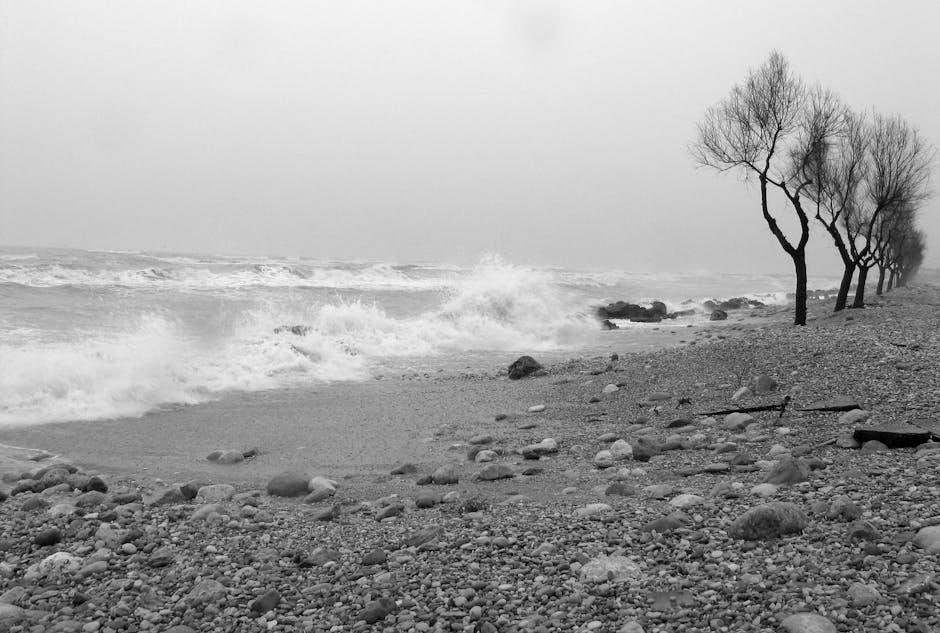
Bolgheri, located in the Maremma area of Tuscany, enjoys a uniquely favorable climate significantly influencing Sassicaia’s viticulture. The region benefits from a Mediterranean climate characterized by mild, humid winters and hot, dry summers, tempered by coastal breezes. These breezes, originating from the Tyrrhenian Sea, play a crucial role in moderating temperatures, preventing excessive heat spikes during the growing season and promoting optimal grape development.
Geographically, Bolgheri is situated on a gentle hillside, providing excellent drainage and sun exposure. The area is protected from harsh northern winds by the surrounding hills, creating a microclimate ideal for Cabernet Sauvignon and Cabernet Franc, the primary grape varieties used in Sassicaia. This combination of climatic conditions and geographical features contributes to the concentration of flavors and the elegant structure that define this iconic Super Tuscan wine. The consistent sunshine hours and well-drained soils are paramount to the quality achieved.
Soil Composition: The Unique Characteristics of the Estate
The soils of Tenuta San Guido are remarkably diverse, yet consistently contribute to the exceptional quality of Sassicaia. Predominantly composed of volcanic and marine sediments, the estate’s soils exhibit a complex layering of gravel, sand, and clay. These soils, formed over millions of years, provide excellent drainage, a critical factor in preventing waterlogging and promoting healthy root development for the vines.
The gravelly composition, in particular, is highly valued as it retains heat during the day and radiates it back to the vines at night, aiding in optimal ripening. Underlying clay layers contribute to water retention during drier periods, ensuring the vines have access to essential moisture. This unique combination of soil types imparts distinct characteristics to the wine, contributing to its complexity, structure, and aging potential. The estate’s careful selection of vineyard sites based on soil type is paramount.
Grape Varieties: Cabernet Sauvignon & Cabernet Franc Blend
Sassicaia’s distinctive character is largely defined by its carefully curated blend of Cabernet Sauvignon and Cabernet Franc. Initially, Mario Incisa della Rochetta envisioned a Bordeaux-style blend, recognizing the potential of these varieties to thrive in the Bolgheri terroir. Cabernet Sauvignon typically constitutes the majority of the blend, providing structure, power, and black fruit aromas.
Cabernet Franc, however, plays a crucial role, contributing finesse, aromatic complexity, and a distinctive herbaceous quality. The precise proportions of each variety vary slightly from vintage to vintage, determined by the growing conditions and the winemaker’s assessment of the grapes’ maturity. This dynamic blending approach allows Tenuta San Guido to consistently produce a wine that showcases the best attributes of both varieties, resulting in a harmonious and age-worthy expression of Super Tuscan excellence.

Winemaking Process: Crafting Sassicaia
Sassicaia’s production meticulously balances traditional techniques with modern innovation, ensuring exceptional quality and complexity in every bottle of this iconic wine.
Fermentation & Maceration Techniques
The fermentation process at Tenuta San Guido is carefully managed in stainless steel tanks, allowing for precise temperature control and optimal extraction of flavors from the Cabernet Sauvignon and Cabernet Franc grapes. This controlled environment preserves the wine’s fresh fruit characteristics and contributes to its overall elegance. Maceration, the period of contact between the grape skins and juice, is also meticulously monitored.
Tenuta San Guido employs a moderate maceration period, typically ranging from seven to ten days, to achieve a balance between color, tannin structure, and aromatic complexity. Gentle pump-overs and délestage techniques are utilized during maceration to ensure even extraction and prevent over-extraction, which could lead to harsh tannins; The goal is to create a wine with refined tannins and a harmonious integration of flavors, showcasing the unique terroir of Bolgheri. This careful approach to fermentation and maceration is fundamental to Sassicaia’s distinctive style.
Aging in Oak Barrels: The Role of French Oak
Aging in French oak barrels is a crucial step in the development of Sassicaia, contributing significantly to its complexity, structure, and aging potential. Tenuta San Guido exclusively utilizes French oak barrels, primarily from the Allier and Tronçais forests, renowned for their fine grain and subtle influence on the wine. The barrels are carefully selected and toasted to a medium level, imparting delicate notes of vanilla, spice, and toast without overpowering the wine’s inherent fruit character.
Sassicaia typically spends 24 months in oak, with regular racking to ensure clarity and integration. This extended aging period allows the tannins to soften and polymerize, creating a smoother, more harmonious mouthfeel. The oak also contributes to the wine’s aromatic complexity and enhances its overall structure, preparing it for long-term cellaring. The judicious use of French oak is a hallmark of Sassicaia’s winemaking philosophy.
Bottling & Cellaring: Ensuring Longevity and Complexity
Following its meticulous oak aging, Sassicaia undergoes careful bottling to preserve its quality and potential for extended cellaring. The wine is gently filtered before bottling, ensuring clarity while retaining its complex aromas and flavors. Bottles are then aged for an additional period at the estate, allowing the wine to further integrate and harmonize before release.
Sassicaia is renowned for its exceptional aging potential, often evolving beautifully for decades. Proper cellaring conditions – cool temperatures, high humidity, and darkness – are crucial for maximizing its longevity. As it ages, Sassicaia develops tertiary aromas of leather, tobacco, and forest floor, alongside its signature fruit notes. This extended maturation process elevates the wine to a truly iconic status.
Sassicaia’s Rise to Prominence & Recognition
Sassicaia gained international acclaim after its stunning victory at the 1978 Decanter Wine Awards, forever changing perceptions of Italian wine.
The 1978 Decanter Wine Awards: A Turning Point
The 1978 Decanter Wine Awards marked a watershed moment for Sassicaia and Italian wine as a whole. In a blind tasting against esteemed Bordeaux wines, the 1978 Sassicaia unexpectedly triumphed, shocking the established wine world. This victory wasn’t merely a surprise; it was a paradigm shift. Prior to this, Italian wines were often viewed as secondary to their French counterparts, largely relegated to accompanying meals rather than being considered serious contenders on the global stage.
The Decanter award catapulted Sassicaia into the international spotlight, challenging preconceived notions about Italian viticulture and winemaking capabilities. It demonstrated that Italy could produce wines of exceptional quality, complexity, and aging potential, rivaling the best of Bordeaux. This recognition spurred a wave of interest in “Super Tuscan” wines – innovative blends often incorporating international varietals like Cabernet Sauvignon – and fundamentally altered the landscape of Italian wine production, inspiring a new generation of winemakers to push boundaries and embrace innovation.
International Acclaim & Critical Reviews
Following the 1978 Decanter triumph, Sassicaia consistently garnered exceptional praise from wine critics and publications worldwide. Robert Parker, a highly influential voice in the wine world, repeatedly awarded Sassicaia high scores, solidifying its reputation for quality and complexity. Wine Spectator and James Suckling also consistently lauded the wine, recognizing its unique character and aging potential.
Critical reviews frequently highlight Sassicaia’s elegant structure, refined tannins, and captivating aromatic profile, often describing notes of blackcurrant, cedar, and tobacco. The wine’s ability to age gracefully for decades further enhanced its prestige. This sustained acclaim translated into high demand and a growing collector base, establishing Sassicaia as one of the most sought-after and respected wines globally, cementing its position amongst the world’s elite.
Sassicaia’s Impact on the Super Tuscan Movement
Sassicaia’s pioneering spirit directly fueled the emergence of the “Super Tuscan” movement in the 1980s and 90s. By defying traditional DOC regulations and embracing Cabernet Sauvignon, Mario Incisa della Rochetta demonstrated that Tuscany could produce world-class wines outside established norms. This bold move inspired other Tuscan winemakers to experiment with similar blends and techniques.
Wineries began to prioritize quality over adherence to strict rules, resulting in a wave of innovative, internationally-styled wines. Sassicaia became a benchmark, proving that Tuscan terroir could excel with non-indigenous varietals. The success of Sassicaia challenged the status quo and ultimately led to the creation of new DOCs and IGTs designed to accommodate these groundbreaking wines, forever changing the landscape of Tuscan winemaking.
Tenuta San Guido Today: Legacy & Future

The estate remains under family ownership, continuing Mario’s vision with Guido Incisa della Rochetta at the helm, prioritizing sustainability and innovation.
Family Ownership & Continued Tradition
Tenuta San Guido proudly maintains its status as a family-owned estate, a cornerstone of its enduring success and unwavering commitment to quality. This continuity ensures that the legacy of Mario Incisa della Rochetta, the visionary founder, is not merely preserved but actively cultivated with each passing generation; The family’s deep connection to the land and their dedication to traditional winemaking techniques are palpable in every bottle of Sassicaia.
This isn’t simply about preserving a historical narrative; it’s about a living, breathing tradition where knowledge and passion are passed down through the family. Decisions are made with a long-term perspective, prioritizing the health of the vineyards and the integrity of the wine over short-term gains. This steadfast approach has allowed Tenuta San Guido to consistently produce wines of exceptional character and complexity, solidifying its position as a global icon.
Guido Incisa della Rochetta: Current Leadership
Guido Incisa della Rochetta currently steers Tenuta San Guido, embodying the family’s continued dedication to innovation while honoring its storied past. As the current president, he represents the third generation to lead the estate, bringing a blend of experience and forward-thinking vision to the role. His leadership is characterized by a deep respect for the terroir and a commitment to sustainable practices, ensuring the long-term health of the vineyards.
Guido’s approach isn’t about radical change, but rather about refining existing techniques and embracing subtle improvements. He champions a philosophy of minimal intervention, allowing the unique characteristics of the Bolgheri region to shine through in the wine. His dedication ensures Sassicaia remains at the forefront of Italian winemaking, balancing tradition with a modern sensibility, and continuing the legacy established by his grandfather.
Sustainability Practices & Environmental Stewardship
Tenuta San Guido demonstrates a strong commitment to environmental stewardship, recognizing the vital link between vineyard health and wine quality. Their sustainability practices are deeply integrated into every aspect of the estate’s operations, from vineyard management to winemaking. This includes a focus on biodiversity, promoting a healthy ecosystem within the vineyards to reduce reliance on external inputs.
Water conservation is a priority, employing efficient irrigation techniques and carefully monitoring water usage. The estate actively minimizes its carbon footprint through responsible energy consumption and waste reduction programs. Furthermore, Tenuta San Guido prioritizes soil health, utilizing cover cropping and organic practices to enhance fertility and prevent erosion, ensuring the long-term vitality of the land for future generations of winemakers.

Sassicaia: Tasting Notes & Characteristics
Sassicaia exhibits complex aromas of blackcurrant, cedar, and tobacco, evolving into a palate of refined tannins, vibrant acidity, and elegant structure.
Aroma Profile: Common Descriptors & Evolution
Sassicaia’s aroma profile is remarkably complex, evolving significantly with age. In its youth, the wine typically presents intense notes of blackcurrant, blackberry, and other dark fruits, often accompanied by hints of cedarwood and tobacco leaf. As the wine matures, these primary fruit aromas begin to integrate, giving way to more nuanced and tertiary characteristics.
Common descriptors in older vintages include aromas of dried herbs, leather, pencil shavings, and subtle earthy undertones. The influence of the oak aging process also contributes to the aromatic complexity, imparting notes of vanilla, spice, and a delicate smokiness. The evolution of Sassicaia’s bouquet is a fascinating journey, revealing layers of flavor and complexity over time, making each tasting experience unique and rewarding.
Palate & Structure: Tannins, Acidity, and Body
On the palate, Sassicaia is renowned for its elegant structure and harmonious balance. The wine typically exhibits firm, yet refined tannins, providing a backbone that supports its aging potential. These tannins are often described as silky and well-integrated, contributing to a smooth and lingering finish.
Bright acidity is a defining characteristic of Sassicaia, lending freshness and vibrancy to the wine. This acidity, coupled with a full-bodied texture, creates a sense of power and concentration. The body is substantial, but never heavy, allowing the complex flavors to shine through. Overall, Sassicaia delivers a captivating palate experience, showcasing both strength and finesse.
Food Pairing Suggestions: Complementing Sassicaia’s Flavors
Sassicaia’s complex flavors and structured palate call for equally sophisticated food pairings. Roasted red meats, such as prime rib or lamb, are classic choices, as the wine’s tannins beautifully complement the richness of the meat. Game dishes, like venison or wild boar, also harmonize exceptionally well with Sassicaia’s savory notes.
Hard, aged cheeses, particularly Pecorino or Parmesan, provide a delightful contrast to the wine’s fruit-forward character. More adventurous pairings include dishes with black truffle or mushroom-based sauces, enhancing the earthy undertones. Avoid overly spicy or heavily sauced dishes, as they can overwhelm the wine’s delicate nuances. Ultimately, Sassicaia elevates a memorable dining experience.