Month: April 2026

manual printing

Manual Printing: A Comprehensive Guide

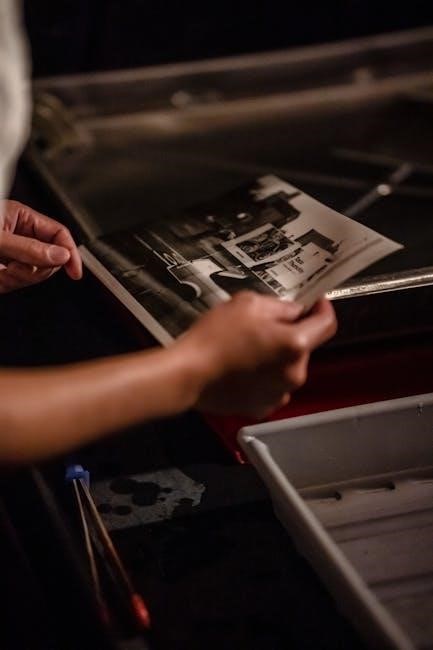
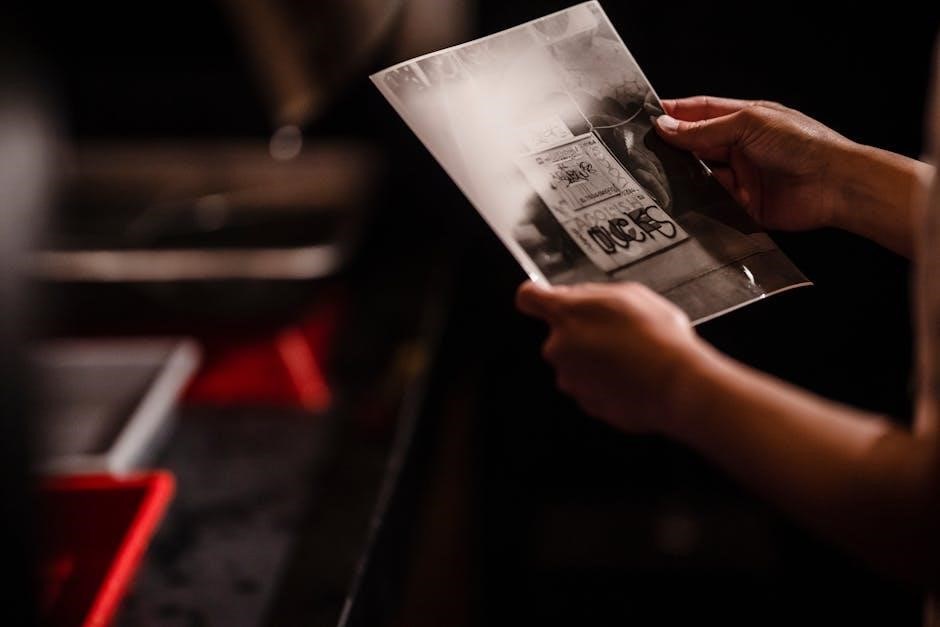
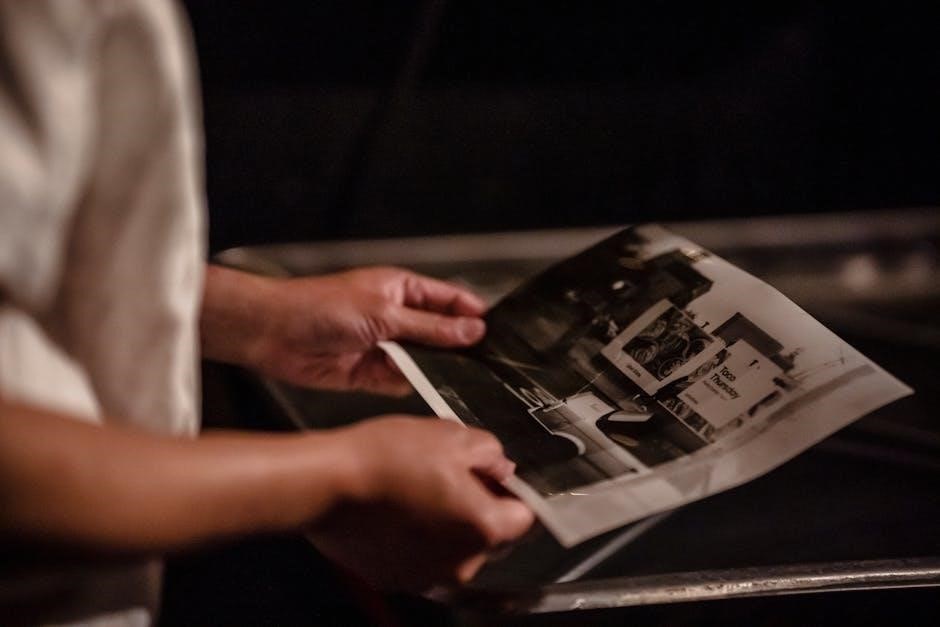
Manual printing encompasses diverse techniques – from relief printing and monoprinting to etching and block printing – offering unique artistic expression and practical applications․

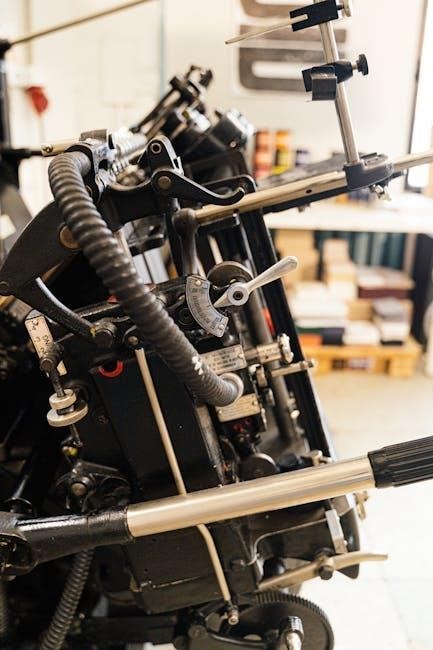
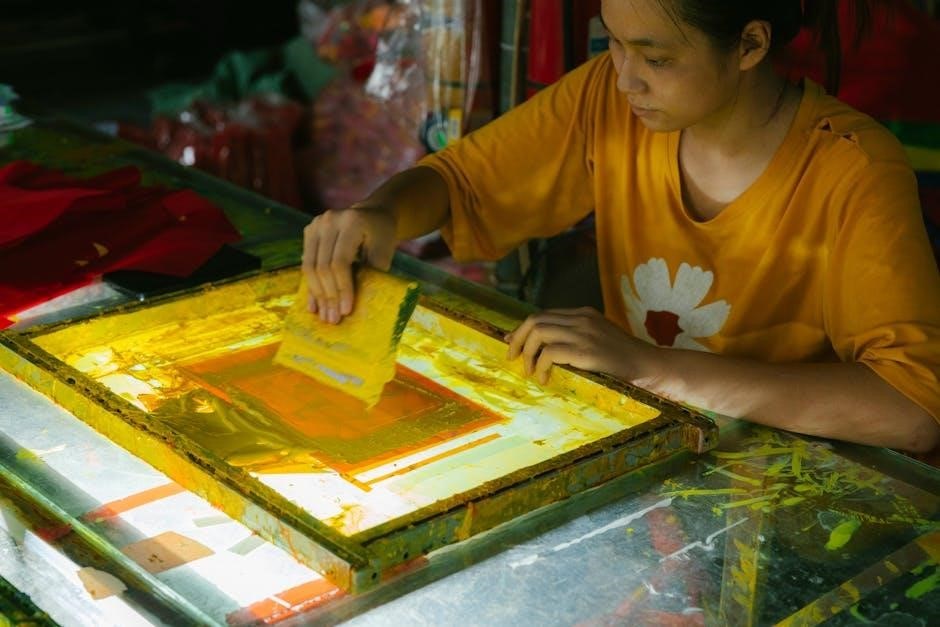
Manual printing represents a captivating realm within the broader field of printmaking‚ distinguished by its hands-on approach and artistic control․ Unlike automated processes‚ manual techniques demand direct involvement‚ fostering a unique connection between the artist and the final product․ This encompasses a wide spectrum of methods‚ including historical practices like relief printing‚ etching‚ and the expressive freedom of monoprinting․

Modern iterations‚ such as block printing – specifically linocut and woodcut – continue to thrive‚ offering accessible avenues for creative exploration․ The beauty of manual printing lies not only in the tangible results but also in the inherent imperfections that imbue each print with character and individuality․ It’s a process steeped in tradition‚ yet constantly evolving with innovative techniques like rainbow roll printing and reduction printing․

Historical Overview of Manual Printing Techniques

Manual printing boasts a rich history‚ evolving from early relief printing methods to intricate etching and expressive monoprinting‚ shaping artistic expression for centuries․

Early Methods: Relief Printing

Relief printing represents some of the earliest forms of manual printing‚ dating back centuries․ This technique involves carving an image into a surface – traditionally wood‚ but also linoleum – leaving the desired design raised in relief․ Ink is then applied to the raised surface‚ and paper is pressed against it‚ transferring the image․

Variations within relief printing include woodcut and wood engraving‚ each offering distinct textures and levels of detail․ Woodcut‚ utilizing the grain of the wood‚ often produces bolder‚ more graphic results․ The process demanded skilled craftsmanship and patience‚ as the carved areas would remain blank in the final print․ This method was crucial for disseminating information and art before the advent of more mechanized printing processes‚ showcasing a foundational step in printmaking history․

Monoprinting and its Variations

Monoprinting‚ also known as monotype‚ is a unique printing process creating a single‚ one-of-a-kind impression․ Unlike other methods‚ it doesn’t rely on a reusable matrix․ Instead‚ ink or paint is applied directly to a smooth surface – glass‚ acrylic‚ or metal – and then transferred to paper by hand or using a press․

Variations include adding textures‚ using stencils‚ or subtracting ink to create diverse effects․ This spontaneous technique allows for expressive mark-making and painterly qualities․ Because each print is unique‚ monoprinting offers artists a direct and immediate connection to their work‚ fostering experimentation and artistic freedom․ It’s a versatile method‚ bridging painting and printmaking․

Etching: A Detailed Look

Etching is an intaglio printing process utilizing acid to create recessed lines in a metal plate – typically zinc or copper․ The artist covers the plate with a protective ground‚ then draws through it‚ exposing the metal․ When immersed in acid‚ the exposed lines are bitten‚ creating the image․

The plate is then inked‚ wiped clean‚ and pressed with dampened paper to transfer the ink from the recessed lines․ Etching allows for incredibly detailed and nuanced imagery․ Variations include soft ground etching‚ aquatint‚ and drypoint‚ each offering unique textural possibilities․ It’s a complex‚ time-intensive process demanding precision and artistic skill․

Modern Manual Printing Techniques

Modern techniques build upon tradition‚ including block printing like linocut and woodcut‚ alongside innovative methods such as reduction printing and rainbow roll effects․

Block Printing: Linocut and Woodcut

Block printing‚ a cornerstone of manual printing‚ utilizes carved surfaces to transfer ink onto paper․ Linocut employs a sheet of linoleum as the matrix‚ favored for its softer texture and ease of carving‚ making it accessible for beginners and experienced artists alike․ Conversely‚ woodcut utilizes a block of wood‚ demanding greater precision and skill due to the wood’s grain and hardness․

Both methods involve removing material from the block to create a raised design‚ which then receives ink․ This inked surface is pressed onto paper‚ yielding a printed image․ The simplicity of these techniques allows for bold‚ graphic results‚ and they remain popular for creating prints‚ illustrations‚ and artistic expressions․ Multi-color prints are achievable through techniques like reduction printing and rainbow rolls․

Reduction Printing in Linocut

Reduction printing‚ a captivating linocut technique‚ allows for multi-colored prints from a single block․ The process begins by carving and printing the first color layer․ Subsequently‚ more of the linoleum block is removed‚ and a second color is applied and printed over the first․ This continues‚ with each successive layer carved and printed‚ progressively reducing the original block․

Crucially‚ each print requires careful planning as you cannot go back and add previously removed areas․ This method demands precision and foresight‚ resulting in layered‚ complex images․ Techniques like rainbow roll printing can further enhance the visual impact‚ blending colors seamlessly on the block before printing‚ creating stunning gradients and effects․

Rainbow Roll Printing Techniques

Rainbow roll printing is a vibrant linocut technique achieving stunning color blends directly on the block․ It involves applying multiple ink colors side-by-side onto the linoleum surface‚ then using a brayer to blend them into a smooth gradient․ This blended ink is then transferred to the paper‚ creating a rainbow-like effect within the printed image․

Mastering this technique requires careful ink selection and consistent brayering pressure․ It’s often used in conjunction with reduction printing‚ adding depth and complexity to multi-layered prints․ The resulting prints showcase beautiful color transitions‚ offering a dynamic and visually engaging aesthetic‚ perfect for landscapes or abstract designs․

Digital vs․ Offset Printing for Manuals

Digital printing suits smaller runs with quick edits‚ while offset printing excels in large volumes‚ offering cost-effectiveness and high-quality image reproduction․

Digital Printing: Advantages and Applications

Digital printing presents a compelling solution for manual production‚ particularly when dealing with smaller print run quantities․ Its core advantage lies in its remarkable flexibility‚ allowing for swift and straightforward edits and updates to the manual’s content without incurring substantial costs or delays․ This agility is invaluable for documents requiring frequent revisions or personalization․

Furthermore‚ digital printing consistently delivers high-quality images‚ ensuring that diagrams‚ illustrations‚ and photographs within the manual appear crisp and professional․ The cost-effectiveness of digital printing becomes increasingly apparent when compared to traditional methods for limited quantities․ It’s an ideal choice for on-demand printing‚ eliminating the need for large inventories and reducing waste․ Applications include training guides‚ user manuals‚ and internal documentation where customization and rapid turnaround are paramount․

Offset Printing: Best for Large Volumes

Offset printing emerges as the preferred method when substantial quantities of manuals are required․ This traditional technique involves transferring an inked image from a plate to a rubber blanket‚ and subsequently to the printing surface‚ ensuring consistent‚ high-quality results across numerous copies․ While the initial setup costs are higher than digital printing‚ the per-unit cost dramatically decreases with increased volume․

For large-scale manual production‚ offset printing offers unparalleled efficiency and economic benefits․ It excels in reproducing intricate details and maintaining color accuracy‚ crucial for technical diagrams and branding consistency․ If your project demands thousands of manuals‚ offset printing provides a cost-effective and reliable solution‚ delivering professional-grade results with exceptional clarity and durability․

Design Considerations for Printed Manuals

Effective design prioritizes color contrast for readability‚ utilizing bolding‚ italics‚ or shading to highlight key points without overwhelming the reader․

Color Contrast for Readability

Achieving optimal color contrast is paramount when designing printed manuals‚ directly impacting user comprehension and reducing eye strain․ The most universally recommended approach involves utilizing black text on a white or light-colored background; this combination provides the highest level of legibility for the majority of readers․

However‚ designers aren’t limited to this single option․ Careful consideration should be given to the target audience and the overall aesthetic of the manual․ Sufficient contrast is the key – ensuring a clear distinction between the text and its backdrop․ Avoid combinations that blend together or create a visually jarring effect․

Poor color choices can significantly hinder the manual’s effectiveness‚ leading to frustration and decreased information retention․ Prioritizing readability through thoughtful color contrast is a fundamental aspect of successful manual design․

Effective Highlighting Techniques

Strategic highlighting within a printed manual draws attention to crucial information‚ enhancing comprehension and retention․ Techniques like employing bold text‚ italics‚ or utilizing shaded boxes effectively emphasize key points and instructions․ However‚ moderation is vital; overuse diminishes the impact and can create visual clutter‚ ultimately hindering readability․

Highlighting should be reserved for genuinely important content – definitions‚ warnings‚ steps in a process‚ or critical data․ A consistent approach to highlighting throughout the manual establishes a clear visual hierarchy․ Consider using color sparingly to denote different levels of importance or categories of information․

The goal is to guide the reader’s eye and facilitate quick access to essential details‚ not to overwhelm them with excessive emphasis․

Paper Stock Selection for Manuals

Paper weight and finish significantly impact a manual’s durability and readability; choosing wisely ensures longevity and a professional appearance for frequent use․

Weight and Finish Options

Paper weight‚ measured in pounds (lbs) or grams per square meter (gsm)‚ dictates the manual’s sturdiness and feel․ Lighter weights (20lb/74gsm) are cost-effective for high-volume documents‚ while heavier weights (80lb/216gsm or higher) offer a premium feel and increased durability‚ ideal for frequently referenced manuals․

Finish options include matte‚ gloss‚ and satin․ Matte provides a non-reflective surface‚ reducing glare and enhancing readability‚ particularly important for text-heavy manuals; Gloss offers vibrant color reproduction and a polished look‚ suitable for manuals with numerous images․ Satin strikes a balance‚ providing moderate sheen and good readability․ Consider the manual’s purpose and target audience when selecting the appropriate weight and finish․

Choosing Paper for Durability

Durability is crucial for manuals subjected to frequent handling and prolonged use․ Opting for higher paper weights – such as 80lb text or 100lb cover stock – significantly enhances tear resistance and overall longevity․ Consider paper’s brightness; brighter papers often feel smoother and more substantial․

Coated papers‚ like gloss or satin‚ offer a protective layer against moisture and wear‚ extending the manual’s lifespan․ For exceptionally demanding environments‚ explore specialized papers designed for durability‚ potentially incorporating features like water resistance․ Ultimately‚ selecting a paper that withstands anticipated usage ensures the manual remains legible and functional over time․

Binding Options for Manuals

Binding choices—saddle stitching‚ spiral binding‚ and perfect binding—impact a manual’s appearance‚ durability‚ and lay-flat capability‚ influencing user experience․

Saddle Stitching

Saddle stitching is a popular and cost-effective binding method‚ particularly well-suited for manuals with a relatively low page count․ This technique involves folding the sheets of paper in half and stapling them through the fold line‚ resembling a booklet․ It’s an excellent choice for documents ranging from 8 to 64 pages‚ offering a clean and professional finish․

The process is quick and efficient‚ making it ideal for shorter print runs and projects with tight deadlines․ However‚ saddle stitching isn’t suitable for thicker manuals as it can cause page creep – where inner pages extend slightly beyond outer pages․ It’s a simple‚ reliable option that provides a secure hold for the pages‚ ensuring the manual remains intact during regular use․ The open flat nature is also a benefit․

Spiral Binding

Spiral binding‚ also known as coil binding‚ offers a durable and versatile solution for manuals requiring frequent use and lay-flat functionality․ This method involves punching holes along the spine of the pages and inserting a plastic or metal coil to hold them together․ It allows the manual to open fully and lay flat‚ simplifying note-taking and referencing․

Spiral binding is suitable for a wider range of page counts than saddle stitching‚ accommodating thicker manuals effectively․ It’s a popular choice for workbooks‚ training guides‚ and reference materials․ While generally more expensive than saddle stitching‚ the added durability and convenience make it a worthwhile investment․ The coil comes in various colors‚ allowing for customization and branding opportunities․

Perfect Binding

Perfect binding creates a clean‚ professional finish resembling a paperback book‚ making it ideal for manuals with a substantial page count․ This technique involves gluing the edges of the pages together to form a block‚ then attaching a cover that wraps around the spine․ It provides a sleek‚ polished appearance and a robust‚ long-lasting binding․

Perfect binding is best suited for manuals with 60 pages or more‚ offering a high-quality look and feel․ It allows for spine text‚ enhancing organization and identification․ While generally more expensive than saddle stitching or spiral binding‚ the professional aesthetic and durability justify the cost for important documents․ It’s commonly used for reports‚ guides‚ and comprehensive training materials․

Cost Factors in Manual Printing

Print run quantity‚ paper stock choices‚ and binding options significantly impact the overall cost of manual printing‚ requiring careful consideration․

Print Run Quantity

Print run quantity is a primary driver of manual printing costs; larger volumes generally translate to lower per-unit expenses due to economies of scale․ Digital printing proves more economical for smaller batches‚ offering flexibility and reduced setup fees․ However‚ as the required quantity increases‚ offset printing often becomes the more cost-effective solution․

This is because the initial setup costs for offset printing – including plate creation – are substantial‚ but these costs are distributed across a larger number of printed pieces‚ lowering the individual price․ Carefully estimating the necessary number of manuals is crucial to optimize spending and avoid unnecessary expenses․ Consider potential future needs when determining the print run size․

Paper and Binding Costs

Paper stock selection significantly impacts manual printing expenses‚ with weight and finish directly correlating to price․ Heavier‚ coated papers generally cost more than lighter‚ uncoated options․ Binding costs also vary considerably depending on the chosen method․ Saddle stitching‚ suitable for lower page counts‚ is typically the most affordable․

Spiral binding offers a professional look at a moderate cost‚ while perfect binding – creating a flat spine – is the most expensive but provides a high-quality finish․ Durability requirements influence paper choice; thicker stock withstands frequent handling․ Balancing desired aesthetics‚ functionality‚ and budget is key to controlling overall manual printing costs․

Quality Control in Manual Printing

Proofing is essential‚ meticulously checking for errors in content and design before full production ensures a polished‚ professional final product for your manuals․

Proofing Process

The proofing process is a critical stage in manual printing‚ demanding meticulous attention to detail․ Initially‚ a digital proof is generated‚ allowing for content review and layout assessment․ This stage identifies errors in text‚ images‚ and formatting before committing to physical prints․

Subsequently‚ a hard copy proof – a physical sample – is created․ This allows evaluation of color accuracy‚ paper quality‚ and the overall visual impact․ Carefully compare the proof against the original design files‚ scrutinizing for discrepancies․

Multiple rounds of proofing may be necessary‚ especially for complex manuals․ Encourage collaboration between designers‚ content creators‚ and stakeholders to ensure complete accuracy and satisfaction before authorizing the full print run․ Thorough proofing minimizes costly errors and guarantees a professional‚ high-quality final product;

Checking for Common Errors

During manual printing quality control‚ diligently checking for common errors is paramount․ Scrutinize text for typos‚ grammatical mistakes‚ and inconsistencies in terminology․ Verify image resolution and placement‚ ensuring they are crisp and aligned correctly․ Pay close attention to page numbering‚ headers‚ and footers for sequential accuracy․

Inspect color reproduction‚ confirming it matches approved proofs and brand guidelines․ Examine margins and bleed areas to prevent unwanted cropping during binding․ Confirm that all barcodes or QR codes are scannable and link to the correct destinations․

A final review should verify consistent formatting throughout the entire manual‚ ensuring a polished and professional appearance․ Addressing these details minimizes errors and enhances user experience․

Future Trends in Manual Printing

Sustainable printing practices and integrating printed manuals with digital resources are key future trends‚ balancing tangible and virtual information access․

Sustainable Printing Practices

The future of manual printing increasingly prioritizes environmentally responsible methods․ This shift involves utilizing recycled paper stock‚ minimizing waste throughout the production process‚ and employing eco-friendly inks – such as soy-based alternatives – that reduce volatile organic compounds․

Furthermore‚ printers are adopting practices to reduce energy consumption and water usage․ Responsible forestry certification‚ like the Forest Stewardship Council (FSC)‚ ensures paper sourcing from sustainably managed forests․

Digital proofing minimizes material waste associated with traditional proofing methods․ Ultimately‚ embracing these sustainable practices not only benefits the environment but also appeals to a growing consumer base that values ethical and responsible production․

Integration with Digital Resources

Modern manual printing isn’t about replacing digital resources‚ but enhancing them through strategic integration․ Printed manuals can incorporate QR codes linking to online tutorials‚ supplemental videos‚ or interactive troubleshooting guides․ This blended approach offers the tactile benefits of print alongside the dynamic capabilities of digital media․

Augmented reality (AR) features‚ triggered by printed pages‚ can overlay digital information onto the physical manual‚ providing a richer‚ more engaging user experience․

Furthermore‚ manuals can direct users to online forums or knowledge bases for community support and updated information‚ ensuring long-term relevance and value․

the chalice of the gods pdf

The Chalice of the Gods PDF: A Comprehensive Exploration

Digital access to the “Chalice of the Gods” PDF is increasingly common‚ offering exploration of ancient Mesopotamian mythology and ekphrastic discourse‚ alongside Dhareeba portal tax implications.

The “Chalice of the Gods”‚ readily available in PDF format‚ presents a fascinating deep dive into a narrative rich with symbolism and historical context. Its digital accessibility has broadened readership‚ allowing enthusiasts to explore ancient Mesopotamian influences and the intricate artistry woven throughout the text. This exploration isn’t merely literary; it intersects with modern digital processes‚ particularly concerning tax implications related to online access and potential capital gains.

The text’s allure stems from its ekphrastic nature‚ vividly depicting artistic representations and mythological landscapes. Readers encounter complex character archetypes and a narrative structure deeply rooted in legend. Furthermore‚ the availability of the PDF necessitates consideration of legality and copyright‚ urging users to access it through verified platforms to avoid potential risks. The Dhareeba portal‚ a key component of digital tax services‚ becomes relevant when considering transactions related to acquiring or distributing this digital work.

Historical Context of the “Chalice of the Gods”

The narrative’s foundations lie deeply embedded within the ancient world‚ specifically drawing heavily from Mesopotamian mythology and potentially influenced by the artistic and cultural landscape of ancient Crete. Understanding this historical backdrop is crucial when engaging with the PDF version of “Chalice of the Gods.” The text’s exploration of gods‚ goddesses‚ and symbolic rituals reflects the religious beliefs and practices prevalent in these civilizations.

The digital availability of the PDF allows for convenient access to these historical references‚ but also introduces modern considerations like copyright and legal distribution. Simultaneously‚ the increasing reliance on digital platforms necessitates awareness of tax regulations‚ such as those managed through the Dhareeba portal‚ particularly concerning any financial transactions related to the text. The work’s themes resonate with studies on ekphrastic literature and comparative mythology‚ offering a rich context for scholarly analysis.

Author and Origins

Information regarding the author of “Chalice of the Gods” is currently limited within readily available digital sources‚ including those surrounding the PDF format. However‚ analysis points to A.S. Byatt as a key figure‚ with her work demonstrating a penchant for ekphrastic discourse and detailed explorations of art and mythology. The origins of the narrative appear rooted in a fascination with ancient Mesopotamian symbolism‚ as evidenced by references to deities and rituals found within the text.

The PDF’s accessibility doesn’t currently reveal extensive biographical details about the author‚ but facilitates research into related works. The text’s connection to ancient Crete‚ suggested by its evocative imagery‚ hints at potential influences beyond Mesopotamia. Navigating digital access also brings forth considerations of copyright and legal distribution‚ alongside the need for compliance with tax regulations‚ potentially utilizing platforms like the Dhareeba portal for related transactions.

The Core Themes Explored

Central to “Chalice of the Gods‚” as revealed through PDF access‚ are explorations of ancient mythology‚ particularly concerning Mesopotamian gods and goddesses. The narrative delves into the symbolic weight of rituals and their connection to the titular chalice‚ functioning as a potent motif. A significant theme is the power of ekphrastic discourse – the vivid description of art – to evoke deeper meaning and understanding.

Further‚ the text examines the interplay between language and spirituality‚ referencing a “shedding” of divine tongues for simpler forms. The PDF’s digital format allows for focused study of these themes‚ alongside considerations of legal access and potential tax implications related to its acquisition‚ potentially involving the Dhareeba portal. The narrative also subtly touches upon the influence of ancient Crete‚ adding layers to its thematic complexity.

Decoding the Symbolism

The PDF unveils rich symbolism: the chalice embodies divinity‚ Mesopotamian gods appear‚ rituals gain significance‚ and artistic representations deepen narrative understanding.

The Chalice as a Central Motif

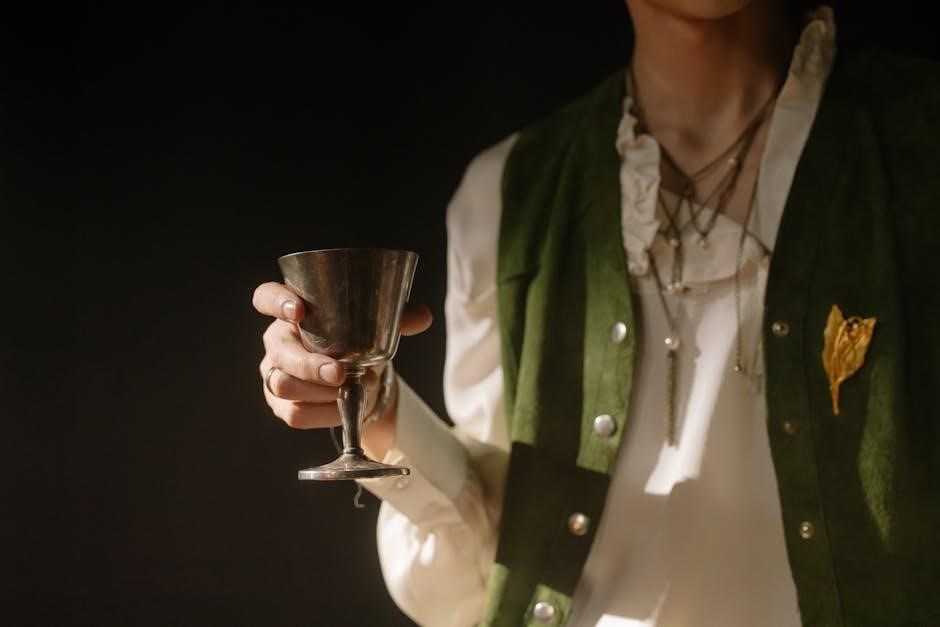
Within the “Chalice of the Gods” PDF‚ the chalice transcends mere vessel status‚ becoming a potent symbol resonating throughout the narrative. It functions as a focal point for exploring themes of divinity‚ ritual‚ and the connection between the mortal and divine realms. The PDF’s detailed descriptions and accompanying imagery emphasize the chalice’s artistic representation‚ showcasing its evolution across different cultural interpretations.

Its presence consistently evokes notions of sacredness and abundance‚ often linked to goddesses and the life-giving forces of nature. The text meticulously details how the chalice serves as a conduit for spiritual energy‚ influencing characters and driving plot developments. Analyzing the PDF reveals that the chalice isn’t simply in the story; it is the story‚ a tangible representation of the underlying metaphysical principles explored within its pages. Further‚ the digital format allows for close examination of its symbolic weight.

Representations of Gods and Goddesses

The “Chalice of the Gods” PDF meticulously portrays a diverse pantheon‚ drawing heavily from Ancient Mesopotamian mythology. Gods and goddesses aren’t presented as distant‚ abstract entities‚ but as actively involved figures whose influence permeates the narrative. The PDF’s ekphrastic descriptions vividly depict their appearances‚ attributes‚ and roles within the unfolding story‚ often directly linked to the chalice itself.

Ishtar‚ for example‚ appears frequently‚ embodying themes of love‚ war‚ and fertility‚ while other deities represent aspects of wisdom‚ justice‚ and the natural world. The digital text allows for detailed comparative analysis of these representations‚ revealing nuanced interpretations and connections to ancient religious practices. The influence of Ancient Crete is also subtly woven into the depictions‚ adding layers of complexity. Accessing the PDF facilitates a deeper understanding of these divine figures and their symbolic significance within the narrative’s framework.

Symbolic Significance of Rituals

Within the “Chalice of the Gods” PDF‚ rituals aren’t merely ceremonial acts; they are pivotal moments imbued with profound symbolic weight. These practices‚ often centered around the chalice‚ serve as conduits to the divine‚ facilitating communication and influencing the narrative’s progression. The digital format allows for close examination of the detailed descriptions‚ revealing layers of meaning connected to ancient Mesopotamian beliefs and practices.

The PDF highlights how rituals represent cycles of life‚ death‚ and rebirth‚ mirroring the agricultural rhythms of the ancient world. Specific gestures‚ offerings‚ and incantations are meticulously detailed‚ their significance unlocked through comparative analysis with known historical accounts. Furthermore‚ the text subtly suggests connections to Cretan religious traditions‚ enriching the ritualistic context. Understanding these symbolic layers is crucial for fully appreciating the narrative’s depth and the chalice’s central role‚ accessible through the PDF’s comprehensive presentation.

The Role of Ancient Mesopotamia in the Narrative

The “Chalice of the Gods” PDF deeply roots itself in the rich tapestry of Ancient Mesopotamia‚ drawing heavily from its mythology‚ religious beliefs‚ and artistic representations. The narrative frequently references Mesopotamian deities‚ demons‚ and symbolic imagery‚ providing a foundational context for understanding the chalice’s power and origins. Accessing the PDF allows readers to trace these allusions and appreciate the author’s meticulous research.

The text showcases how Mesopotamian cosmology – its views on creation‚ the afterlife‚ and the relationship between gods and humans – directly influences the plot and character motivations. Resources like J. Black and A. Green’s “Gods‚ Demons and Symbols of Ancient Mesopotamia” (referenced in related research) become invaluable when navigating the PDF’s complex symbolism. The digital format facilitates cross-referencing‚ enhancing comprehension of this crucial cultural backdrop and its impact on the story’s unfolding events.

Analyzing the Narrative Structure

The “Chalice of the Gods” PDF employs ekphrastic discourse‚ myth‚ and legend‚ revealing character archetypes through intricate narrative techniques and artistic representation.

Ekphrastic Discourse and Artistic Representation

The “Chalice of the Gods” PDF deeply engages with ekphrastic discourse‚ vividly describing imagined artworks and artifacts central to the narrative. This technique isn’t merely descriptive; it actively constructs meaning‚ inviting readers to visualize and interpret the symbolic weight of these objects. The text‚ mirroring studies on ekphrastic literature‚ transforms visual concepts into compelling prose‚ effectively “showing” rather than “telling.”

Artistic representation within the PDF isn’t limited to static descriptions. It dynamically portrays ancient Mesopotamian artistry‚ potentially referencing depictions of gods‚ goddesses‚ and ritualistic scenes. The narrative structure likely utilizes these artistic elements to enhance thematic resonance‚ mirroring the detailed craftsmanship found in ancient Mesopotamian decorative arts‚ as explored in resources like J. Black and A. Green’s work on Mesopotamian symbolism. This interplay between text and imagined visuals creates a multi-layered reading experience.

The Use of Myth and Legend

The “Chalice of the Gods” PDF extensively employs myth and legend‚ drawing heavily from Ancient Mesopotamian mythology to construct its narrative framework. This isn’t simply a retelling of existing myths; rather‚ the text likely reinterprets and weaves them into a new‚ cohesive story. References to gods‚ demons‚ and symbolic representations‚ as detailed in resources like J. Black and A. Green’s studies‚ are likely integral to the plot and character development.

The narrative’s reliance on legend serves to deepen its thematic exploration‚ potentially examining the origins of belief systems and the power of storytelling. The influence of ancient Crete‚ with its own rich mythological traditions‚ may also subtly inform the narrative‚ creating a complex tapestry of interwoven cultural influences. This skillful blending of myth and original storytelling elevates the PDF beyond a simple fantasy tale.

Character Archetypes and Their Meanings

Within the “Chalice of the Gods” PDF‚ character archetypes likely play a crucial role in conveying deeper thematic resonance. Expect to encounter figures embodying classic roles – the hero‚ the trickster‚ the wise old man‚ and potentially representations of powerful goddesses. These archetypes aren’t merely stock characters; their interpretations are likely nuanced‚ reflecting the text’s engagement with ancient Mesopotamian beliefs and symbolic systems.

The meaning embedded within these archetypes likely connects to the core themes explored in the narrative‚ potentially examining the human condition‚ the search for meaning‚ or the consequences of power. Understanding these archetypal representations is key to unlocking the PDF’s deeper layers of interpretation‚ revealing how the author utilizes established narrative patterns to create a compelling and thought-provoking story.

Narrative Techniques Employed

Analyzing the “Chalice of the Gods” PDF reveals a sophisticated use of narrative techniques. Ekphrastic discourse‚ vividly describing artistic representations‚ is central‚ potentially mirroring ancient Mesopotamian art and its symbolic weight. The author likely employs myth and legend‚ weaving them into the narrative fabric to enrich the story’s depth and resonance. Expect a non-linear structure‚ mirroring the fragmented nature of ancient texts and beliefs.

Furthermore‚ the narrative likely utilizes symbolism extensively‚ demanding careful decoding of motifs and imagery. The PDF’s digital format may even incorporate interactive elements or layered storytelling. Considering the context of digital access and potential tax-related documentation (Dhareeba portal)‚ the narrative structure might subtly reflect themes of control‚ access‚ and information.

The “Chalice of the Gods” and Digital Access

The PDF format facilitates widespread access‚ yet legality and copyright require scrutiny; platforms offer downloads‚ but unverified sources pose risks‚ mirroring Dhareeba’s digital security.

Availability of the PDF Format

The proliferation of the “Chalice of the Gods” in PDF format signifies a notable shift in accessibility for researchers and enthusiasts alike. Previously confined to limited print runs or specialized academic libraries‚ the text now enjoys broader circulation through various online channels. This digital availability allows for convenient study and analysis‚ fostering a wider engagement with its complex themes of ancient Mesopotamian mythology‚ symbolic representation‚ and ekphrastic discourse.

However‚ this increased accessibility isn’t without caveats. While legitimate sources offer the PDF for purchase or academic access‚ numerous unofficial platforms host copies‚ raising concerns about copyright infringement and the potential for altered or incomplete versions. The Dhareeba portal’s emphasis on secure digital services highlights the importance of verifying source authenticity when accessing digital content‚ a principle equally applicable to literary works like this one. The ease of distribution necessitates careful consideration of legal and ethical implications.

Legality and Copyright Considerations

Navigating the digital landscape surrounding the “Chalice of the Gods” PDF requires careful attention to legality and copyright. Unauthorized distribution and downloading of copyrighted material constitute infringement‚ potentially leading to legal repercussions. While the text’s age might suggest public domain status‚ this isn’t automatically guaranteed; copyright may reside with the author’s estate‚ publisher‚ or translator.

The Dhareeba portal’s focus on compliant digital processes underscores the broader importance of respecting intellectual property rights. Accessing the PDF through official channels – legitimate ebook retailers or academic databases – ensures adherence to copyright laws. Conversely‚ downloading from unverified sources risks supporting illegal activities and potentially exposing users to malware or compromised files. Understanding these considerations is crucial for ethical engagement with the text and responsible digital citizenship‚ mirroring the meticulous compliance demanded by modern tax regulations.

Online Platforms for Accessing the PDF

Locating the “Chalice of the Gods” PDF necessitates exploring various online platforms‚ though availability can fluctuate. Major ebook retailers often host digital versions of scholarly works‚ providing a secure and legal avenue for access. Academic databases‚ frequently accessible through university libraries‚ represent another reliable source‚ often offering peer-reviewed content. However‚ verifying the authenticity of the PDF is paramount‚ especially when utilizing less established platforms.

Given the increasing emphasis on digital tax services like the Dhareeba portal‚ a parallel focus on secure online transactions is vital. Caution should be exercised when encountering free downloads from unverified websites‚ as these may harbor malware or infringe copyright. Prioritizing reputable platforms ensures a safe and legal reading experience‚ aligning with the responsible digital practices promoted by governmental initiatives focused on compliance and data security.

Potential Risks of Downloading from Unverified Sources

Downloading the “Chalice of the Gods” PDF from unverified sources presents significant risks. These range from encountering malware and viruses embedded within the file to inadvertently supporting copyright infringement. Such downloads often lack the security protocols of legitimate platforms‚ potentially exposing personal data to cyber threats. The allure of free access can overshadow the potential for compromised systems and legal repercussions.

Furthermore‚ the authenticity of the content itself is questionable. Unverified PDFs may contain altered text‚ inaccurate information‚ or even entirely unrelated material masquerading as the original work. This is particularly concerning when researching complex topics like ancient Mesopotamian mythology‚ where accuracy is crucial. Considering the Dhareeba portal’s emphasis on secure digital processes‚ mirroring that caution with PDF downloads is essential for protecting both data and intellectual integrity.

Tax Implications and Digital Processes (Related to Online Access)

Accessing the “Chalice of the Gods” PDF may involve digital transactions subject to Dhareeba portal regulations‚ including potential Capital Gains Tax pre-filing requirements.

Dhareeba Portal and Digital Tax Services

The Dhareeba portal‚ established by the General Authority of Zakat and Tax (GAZT)‚ represents a significant shift towards streamlined and efficient digital tax services in the region. This platform aims to facilitate tax compliance for individuals and businesses alike‚ offering a centralized hub for various tax-related processes. Regarding access to digital content like the “Chalice of the Gods” PDF‚ transactions involved in its purchase or distribution may fall under the purview of Dhareeba’s digital tax regulations.

Specifically‚ the portal manages different tax types‚ calculates and reviews them‚ and assists taxpayers in understanding relevant procedures; A key feature is the mandatory digital pre-filing process for Capital Gains Tax‚ requiring submission of transaction details‚ including valuation. GAZT emphasizes excellence and quality in its digital service provision‚ aiming for ease of compliance for taxpayers. For assistance‚ contact istdistd.gov.jo or 062222130.

Capital Gains Tax and Pre-Filing Requirements

The acquisition of digital assets‚ such as a “Chalice of the Gods” PDF‚ could potentially trigger Capital Gains Tax obligations depending on the transaction’s nature and the taxpayer’s specific circumstances. The Dhareeba portal mandates a digital pre-filing process for this tax‚ requiring taxpayers to proactively submit crucial information before finalizing any relevant transactions. This includes detailed valuation data pertaining to the digital asset‚ ensuring accurate tax assessment.

This pre-filing requirement‚ implemented starting April 1st‚ 2026‚ aims to enhance transparency and efficiency in tax administration. Taxpayers must utilize the Dhareeba portal to input all necessary details‚ facilitating a smoother and more accurate tax calculation process. Efficient application of tax laws‚ supported by data‚ is crucial for economic development and public service provision‚ as emphasized by GAZT.

Compliance with Tax Regulations

Ensuring full compliance with tax regulations is paramount when accessing and potentially profiting from digital content like the “Chalice of the Gods” PDF. The General Authority for Tax (GAZT) actively promotes electronic tax services via the Dhareeba portal‚ adhering to the highest standards of excellence and quality. This facilitates easier tax compliance for taxpayers‚ streamlining processes and enhancing transparency.

Taxpayers are responsible for understanding and adhering to all applicable tax laws related to digital asset transactions. Failure to comply can result in penalties and legal repercussions. GAZT emphasizes the importance of accurate reporting and timely payment of taxes‚ supporting economic development and public services. For assistance with electronic government services‚ contact istdistd.gov.jo‚ or call 062222130 for income tax declaration support.

Further Research and Related Works

Explore Mesopotamian mythology resources‚ ekphrastic literature studies‚ and comparative analyses‚ including the influence of ancient Crete‚ to deepen understanding of the PDF’s context.

Ancient Mesopotamian Mythology Resources

Delving into the rich tapestry of Ancient Mesopotamian mythology provides crucial context for understanding the symbolism within the “Chalice of the Gods.” Resources like J. Black and A. Green’s “Gods‚ Demons and Symbols of Ancient Mesopotamia” offer detailed explorations of the pantheon‚ rituals‚ and beliefs that permeate the narrative. Online databases and academic journals frequently host scholarly articles dissecting Mesopotamian cosmology and its influence on literature.

Furthermore‚ exploring primary sources – translated cuneiform texts – can reveal the original myths and legends that inspired the work. Websites dedicated to ancient history and archaeology often provide accessible translations and interpretations. Investigating the roles of deities like Ishtar‚ Shamash‚ and Enlil‚ central figures in Mesopotamian lore‚ illuminates the symbolic weight carried by their representations within the text. Understanding the societal structures and religious practices of the time is paramount to fully appreciating the narrative’s depth and complexity.

Studies on Ekphrastic Literature

The “Chalice of the Gods” heavily employs ekphrastic discourse – the verbal representation of a visual work of art. Scholarly studies on ekphrasis are therefore essential for a comprehensive understanding. Analyzing how the text describes imagined or alluded-to artifacts‚ and how these descriptions contribute to the narrative’s meaning‚ is key. Research into the history of ekphrastic writing‚ from classical antiquity to modern literature‚ reveals evolving techniques and purposes.

Specifically‚ examining how A.S. Byatt utilizes ekphrasis in her works – as referenced in related research – provides valuable insight into the author’s stylistic choices. Critical essays exploring the relationship between literature and visual arts‚ and the power of description to evoke imagery‚ are highly relevant. Understanding the theoretical frameworks surrounding ekphrasis‚ such as those proposed by W.J.T. Mitchell‚ enhances the interpretive process and unlocks deeper layers of meaning within the text.

Comparative Analysis with Similar Texts

To fully appreciate “The Chalice of the Gods‚” a comparative analysis with texts exploring similar themes is crucial. Works delving into ancient Mesopotamian mythology‚ like those by J. Black and A. Green‚ offer contextual understanding of the deities and symbols featured. Examining narratives that utilize myth and legend as foundational elements – such as Homer’s epics or Edith Hamilton’s “Mythology” – reveals common archetypes and narrative structures.

Furthermore‚ comparing the text to other examples of ekphrastic literature‚ where visual art inspires written descriptions‚ illuminates stylistic choices. Considering narratives set in or inspired by ancient Crete – a civilization referenced as influencing the story – provides a broader cultural framework. Analyzing how these texts handle themes of ritual‚ divinity‚ and the power of objects allows for a nuanced assessment of “The Chalice of the Gods’s” unique contribution.

The Influence of Ancient Crete on the Narrative

The narrative subtly incorporates elements reminiscent of ancient Crete‚ a civilization known for its vibrant art‚ complex religious practices‚ and connection to mythology. References to “sun and sea‚ picturesque landscapes‚ fresh air‚ pristine nature‚ and organic produce” evoke the idyllic imagery associated with Crete‚ suggesting a parallel between the story’s setting and the island’s natural beauty.

This influence extends beyond mere aesthetics; the Minoan civilization’s reverence for goddesses and ritualistic practices may have informed the depiction of divine figures and ceremonies within “The Chalice of the Gods.” The labyrinthine architecture characteristic of Minoan palaces could symbolically resonate with the narrative’s complex plot and hidden meanings. Exploring this connection enriches our understanding of the text’s cultural underpinnings and its broader engagement with ancient Mediterranean traditions.

“The Chalice of the Gods”‚ readily available in PDF format‚ continues to captivate readers with its intricate exploration of ancient Mesopotamian mythology and masterful use of ekphrastic discourse. The text’s enduring appeal lies in its ability to seamlessly blend historical context with imaginative storytelling‚ offering a compelling journey into a world of gods‚ rituals‚ and symbolic representations.

Furthermore‚ the accessibility of the PDF version‚ alongside resources like the Dhareeba portal for related digital processes‚ enhances its reach and relevance in the modern age. The narrative’s layers of meaning‚ coupled with its artistic depth‚ invite repeated readings and scholarly analysis‚ ensuring its place as a significant work within contemporary literature. Its exploration of fundamental themes resonates across cultures and time‚ solidifying its lasting impact.

stone island size guide

Stone Island Size Guide: A Comprehensive Overview (Updated 04/07/2026)

Navigating Stone Island’s sizing requires careful attention; this guide details fits, charts, and conversions for men, women, and children, ensuring a perfect fit every time.

Stone Island’s reputation for innovative design extends to its sizing philosophy. Understanding their approach is crucial for a satisfying purchase, as their garments often deviate from standard fits. Unlike some brands prioritizing universal sizing, Stone Island meticulously crafts each piece with a specific silhouette in mind. This means a size Medium in one style might feel different than a Medium in another.

This guide aims to demystify the process, providing detailed information on how Stone Island sizes its clothing for both men and women. We’ll cover everything from understanding their distinct fit styles – Regular, Slim, and Oversized – to interpreting their size charts accurately. Accurate measurements are key, and we’ll provide tips to ensure you get it right the first time. Remember, a well-fitted Stone Island garment showcases the brand’s quality and design to its fullest potential.

Understanding Stone Island Fit Styles

Stone Island offers a range of fit styles to cater to diverse preferences. Recognizing these distinctions is paramount to selecting the right size. The Regular Fit provides a classic, comfortable silhouette – not too tight, not too loose – ideal for layering and everyday wear. Conversely, the Slim Fit offers a more tailored appearance, hugging the body closely for a modern, streamlined look.

For those favoring a bolder aesthetic, the Oversized Fit delivers a relaxed and contemporary vibe, characterized by generous proportions and a looser feel. It’s important to note that even within these categories, variations exist. Some garments may lean towards a more athletic or boxy cut. Always consult the specific product description for details on the intended fit and consider your personal style when making your selection.

2.1 Regular Fit

Stone Island’s Regular Fit is designed for comfort and versatility. This classic cut provides ample room for movement without appearing overly baggy, making it suitable for various body types. It’s a balanced silhouette that allows for easy layering over t-shirts or sweaters.

Generally, the Regular Fit closely follows the body’s natural shape, offering a relaxed yet defined look. It’s a popular choice for those who prefer a timeless style and don’t want to feel constricted. When selecting a Regular Fit Stone Island garment, consider your usual size; it typically corresponds to standard sizing. However, always refer to the specific size chart for the most accurate measurements, especially for jackets and outerwear.

2.2 Slim Fit

Stone Island’s Slim Fit offers a more tailored and contemporary silhouette. Designed to sit closer to the body, this fit emphasizes a modern aesthetic while still allowing for reasonable comfort. It’s ideal for those who prefer a streamlined look and a more defined shape.

The Slim Fit typically features a narrower cut through the chest, waist, and sleeves. It’s a popular choice for layering thinner garments, but may feel restrictive with bulky items underneath. When choosing a Slim Fit Stone Island piece, it’s often recommended to size up, particularly if you’re between sizes or prefer a less fitted feel. Always consult the specific garment’s size chart, paying close attention to chest and waist measurements, to ensure the best possible fit.

2.3 Oversized Fit

Stone Island’s Oversized Fit embodies a relaxed and contemporary style, prioritizing comfort and a bold silhouette. This fit is characterized by generous proportions throughout the garment, creating a loose and flowing look. It’s a popular choice for those who appreciate streetwear aesthetics and a more casual vibe.

Expect a wider cut through the shoulders, chest, and body, with longer sleeves and a generally roomier feel. While intentionally loose, an oversized fit shouldn’t appear sloppy. Often, sizing down one size from your typical fit can achieve a balanced, intentionally oversized look. Refer to the specific garment’s measurements, as ‘oversized’ can vary between styles. Consider layering options when choosing this fit, as it readily accommodates additional clothing.

Stone Island Size Charts – Men’s

Accurate measurements are crucial for selecting the correct Stone Island size. Men’s sizing typically revolves around chest and waist measurements, though height can also be a factor, especially for jackets and longer garments. Stone Island utilizes a numerical sizing system (e.g., 48, 50, 52) which doesn’t directly correlate to standard US or UK sizes.

Consult the official Stone Island size chart, readily available on their website, before making a purchase. This chart provides detailed conversions between numerical sizes and corresponding chest/waist measurements in both inches and centimeters. Remember to measure yourself accurately, wearing similar clothing to what you intend to wear under the garment. Variations exist between garment types, so always check the specific size guide for each item.

3.1 Chest & Waist Measurements

Determining your chest and waist measurements is the foundation of Stone Island sizing. For chest, measure around the fullest part of your chest, keeping the tape measure level and under your armpits. Don’t pull the tape too tight. For waist, measure around your natural waistline, typically the narrowest part of your torso, ensuring the tape is comfortably snug.

Compare these measurements to Stone Island’s official size chart. Note that Stone Island often provides measurements for the garment itself, not the body. Account for desired fit – a slim fit will require a closer measurement, while a regular or oversized fit allows for more room. Double-check your measurements and compare them carefully to avoid sizing errors.

3.2 Height Considerations

While chest and waist measurements are crucial, height plays a significant role in Stone Island sizing, particularly for jackets and outerwear. Individuals with taller or shorter frames may need to adjust their size selection beyond standard chest/waist guidelines.

Stone Island’s size charts sometimes include height recommendations for specific garments. If you fall between sizes based on chest/waist, consider your height; taller individuals might benefit from sizing up to ensure adequate length in the sleeves and body. Conversely, shorter individuals may prefer sizing down. Pay attention to garment descriptions, as they often indicate suitability for different height ranges. Prioritize a comfortable and proportionate fit.

Stone Island Size Charts – Women’s

Stone Island’s women’s sizing, while aligning with general industry standards, requires precise measurement for optimal fit. Unlike some brands, Stone Island often maintains a consistent sizing structure across collections, simplifying the process.

Key measurements for women include bust, waist, and hip circumference. Refer to the official Stone Island size chart, readily available on their website, for detailed conversions between numerical sizes and corresponding measurements in inches or centimeters. Note that sizing can vary slightly between garment types – a fitted jacket will differ from a relaxed-fit sweater; Always prioritize accurate self-measurement before ordering to minimize returns and ensure a flattering silhouette.

4.1 Bust & Waist Measurements

Accurate bust and waist measurements are crucial for selecting the correct Stone Island size for women’s garments. To measure your bust, wear a lightly padded bra and measure around the fullest part of your chest, keeping the tape measure level.

For waist measurement, find your natural waistline – typically the narrowest part of your torso – and measure around it, ensuring the tape measure is comfortably snug, not tight. Record both measurements in centimeters or inches. Compare these figures directly to Stone Island’s official size chart, paying close attention to the specified ranges for each size. These measurements are foundational for achieving a well-fitted look.

Comparing Stone Island Sizes to Other Brands

Stone Island’s sizing often differs subtly from mainstream brands. Generally, Stone Island tends to run slightly smaller, particularly in their slim-fit styles. If you typically wear a medium in brands like Nike or Adidas, you might find a large in Stone Island provides a more comfortable fit.

However, this isn’t a universal rule; it depends on the garment’s cut. It’s advisable to consult Stone Island’s specific size chart and compare your measurements. Consider checking online forums and reviews where customers share their experiences with Stone Island sizing relative to other brands they commonly wear. This comparative approach helps mitigate potential sizing errors.

Specific Garment Sizing (Jackets)

Stone Island jackets require precise sizing due to layering considerations. When selecting a jacket size, account for the clothing you intend to wear underneath – sweaters, hoodies, or even just a t-shirt. Measure your chest and waist accurately, as these are crucial determinants for a comfortable fit.

Pay attention to the jacket’s style; bomber jackets often fit closer to the body, while parkas allow for more room. Sleeve length is also vital; ensure it reaches your wrist without being overly long. Refer to the specific jacket’s size chart, as variations exist between models. Don’t hesitate to size up if you’re between sizes or prefer a looser fit.

Specific Garment Sizing (Sweatshirts & Knitwear)

Stone Island sweatshirts and knitwear offer varied fits, impacting size selection. For a classic look, consider your chest and sleeve length measurements. Slim-fit styles require a closer adherence to the size chart, while regular-fit options allow for more layering flexibility.

Knitwear, particularly heavier gauge pieces, may have a more relaxed fit. Check the fabric composition; some materials stretch more than others. If you prefer a looser, more comfortable feel, consider sizing up. Always consult the individual garment’s size guide, as variations occur between different styles and collections. Prioritize comfort and intended use when choosing your size.

Specific Garment Sizing (T-Shirts & Polos)

Stone Island’s T-shirts and polos generally run true to size, but fit can vary based on style. Slim-fit options require precise chest and waist measurements for a tailored appearance. Regular-fit styles offer a more relaxed silhouette, allowing for greater comfort and movement.

Pay attention to the fabric; some materials may shrink slightly after washing. Consider your preferred level of tightness – if you prefer a looser fit, sizing up is recommended; Check the specific garment’s measurements, as variations exist between different designs. For polos, sleeve length is also a key consideration. Accurate measurement ensures optimal style and comfort.

Stone Island Trouser & Shorts Sizing

Stone Island trousers and shorts sizing centers around waist and inseam measurements. Unlike some brands, Stone Island’s waist sizes are generally accurate, but always confirm with their specific chart; Pay close attention to the ‘leg length’ or ‘inseam’ measurement, especially for shorts, to ensure the correct fit.

Fit styles – regular, slim, and relaxed – significantly impact sizing. Slim-fit trousers require a closer measurement, while relaxed fits offer more room. Consider whether you prefer a tapered or straight leg. Check product details for fabric composition, as stretch fabrics may offer more flexibility. Accurate waist and inseam measurements are crucial for a comfortable and stylish look.

International Size Conversions

Stone Island utilizes Italian sizing as its base, requiring conversion for customers in other regions. Understanding these conversions is vital for accurate ordering. Generally, a US size Medium equates to an Italian size 48, but variations exist. European sizes often align closely with Italian sizing, while UK sizes differ – a UK 38 typically corresponds to an Italian 48/US Medium.

Always consult a reliable size conversion chart, as discrepancies can occur. Waist sizes are generally consistent across regions when converted to inches, but chest and shoulder measurements require careful attention. When in doubt, it’s best to measure yourself and compare to the Stone Island chart, rather than relying solely on your usual size in another brand.

Tips for Accurate Measurement

Achieving the perfect Stone Island fit begins with precise measurements. Use a flexible measuring tape, not a metal one. For chest, measure around the fullest part of your chest, keeping the tape level. Waist measurement should be taken at your natural waistline, avoiding compression.

When measuring height, stand straight with your back against a wall. It’s best to have someone else assist you for accuracy. Don’t measure over clothing; wear minimal layers or measure directly against your skin. Round up to the nearest inch if your measurement falls between sizes. Record all measurements before browsing, and always refer to the specific garment’s size guide, as fits can vary.

What to Do If You’re Between Sizes

Finding yourself between Stone Island sizes is common; consider the garment’s intended fit. For a closer, more tailored look, especially with slim-fit styles, size down. If you prefer a relaxed or layered fit, or plan to wear heavier clothing underneath, opt for the larger size.

Review customer reviews for insights into specific items – others may have shared experiences. If purchasing online, check the retailer’s return policy for easy exchanges. Don’t hesitate to contact Stone Island’s customer service for personalized advice. Prioritize comfort and movement; a slightly looser fit is often preferable to feeling restricted.

Stone Island Kids’ Size Guide

Stone Island Junior offers stylish designs for younger fans, but sizing differs from adult lines. Age is a starting point, but measurements are crucial. Check the official Stone Island size chart for precise chest, waist, and height guidelines for each age range.

Kids grow quickly, so consider allowing room for growth, especially for outerwear. Stone Island Junior often runs true to size, but reading product-specific notes is recommended. When in doubt, size up rather than down to ensure comfort and longevity. Remember to account for layering when selecting sizes for colder seasons.

Returns & Exchanges – Stone Island Sizing Issues

If your Stone Island purchase doesn’t fit perfectly, most retailers offer returns and exchanges, but policies vary. Always check the specific store’s guidelines before making a purchase. Keep all original packaging and tags attached to ensure eligibility.

Sizing discrepancies can occur, so accurate measurements are vital. If exchanging due to size, confirm availability of your desired size before initiating the return. Be aware of potential return shipping costs, which may be your responsibility. Some retailers may offer free exchanges. Promptly address sizing issues to avoid complications and enjoy your Stone Island garment!

Where to Find More Sizing Information

For detailed Stone Island sizing assistance, begin with the official Stone Island website; they often provide updated charts and fit guides. Reputable online retailers like Farfetch, SSENSE, and Mr Porter frequently include detailed size information and customer reviews regarding fit.

Consulting Stone Island’s customer service team directly can provide personalized guidance. Explore online forums and communities dedicated to Stone Island enthusiasts – they often share valuable sizing experiences. Remember to cross-reference information from multiple sources for the most accurate assessment, ensuring a confident and satisfying purchase.