Overview of Free Knitted Slipper Patterns PDF
Free knitted slipper patterns PDF offer quick, beginner‑friendly projects. Sites like KweenBee.com provide downloadable PDFs with step‑by‑step photos, while Handy Little Me offers a 27‑slipper collection using chunky yarn and straight needles. These PDFs are free to access, printand adapt.today
What Is a Knitted Slipper Pattern PDF?
A knitted slipper pattern PDF is a downloadable document that contains all the instructions, stitch diagrams, and measurements needed to knit a pair of cozy slippers. These PDFs are typically created by experienced knitters or pattern designers and are shared for free on knitting communities and websites such as KweenBee.com and Handy Little Me. The format is usually a PDF file that can be opened on a computer, tablet, or printed out for reference while working. The patterns include a list of required yarns, needles, and any additional accessories, followed by a step‑by‑step guide that often uses basic knitting stitches like knit, purl, and garter. Many free patterns also provide variations for different yarn weights or sizes, making them accessible to beginners and seasoned knitters alike. Because the PDFs are free, knitters can experiment with color combinations, add embellishments, or adjust the size without any cost. The convenience of having a printable, portable pattern means you can knit on the go or in a relaxed home setting, and the step‑by‑step photos or diagrams help reduce errors and build confidence in your knitting technique. Additionally, many free PDFs include a troubleshooting section that addresses common mistakes such as uneven tension or dropped stitches, providing quick fixes that save time and frustration. Some patterns even offer optional embellishment ideas like knitted fringe, lace borders, or appliqué motifs, allowing knitters to personalize their slippers. The PDF format also ensures that the pattern remains unchanged over time, so you can revisit the instructions whenever you need a refresher or want to replicate the design for a gift. When you download a free PDF, you often receive a PDF file that is optimized for printing, with clear margins and a layout that keeps the stitch instructions easy to read. This makes it simple to keep the pattern handy while you knit, without having to flip between a screen and a physical book. Many knitters appreciate the ability to print the pattern on a single sheet or a small booklet, which can be stored in a knitting bag for quick access during travel or a weekend project. The free nature of these PDFs also encourages experimentation, as you can try different yarns or needles without any financial commitment, helping you discover the best combination for your comfort and style preferences. For those who prefer a tactile experience, some free PDFs come with a printable pattern card that can be folded into a compact reference guide. This card often includes a quick chart of stitch abbreviations, a size chart, and a color palette suggestion. Knitters can also use the PDF to create a personalized binder, adding notes or marking progress as they knit. The open‑access nature of these patterns fosters a sense of community, as knitters share photos of their finished slippers, discuss tweaks, and help each other troubleshoot. By downloading a free PDF, you join a growing tradition of creative, cost‑effective knitting that keeps the craft alive and welcoming to all skill levels. Enjoy!!!
Popular Sources for Free Patterns
KweenBee.com offers free PDF slipper patterns with step‑by‑step photos, while Handy Little Me provides a 27‑slipper collection using chunky yarn. Both sites host printable PDFs that beginners can download instantly, making cozy slippers accessible to all knitters. All patterns are free downloadable.!
KweenBee.com and Handy Little Me Offer Free PDFs
Both KweenBee;com and Handy Little Me offer free PDF slipper patterns that are beginner‑friendly. KweenBee’s designs use basic knit, purl, and garter stitches, with step‑by‑step photos and a size chart. Handy Little Me provides 27 chunky‑yarn slipper patterns, each PDF listing recommended yarn, needle size, and quick instructions. Both sites give printable PDFs that can be downloaded without registration. The patterns are designed for quick completion, and the PDFs include optional color variations and a troubleshooting section for common knitting issues and free!!. Handy Little Me’s free PDF set contains 27 chunky‑yarn slipper designs, from classic moccasins to modern elastic‑toe styles. Each PDF lists yarn, needle size, and step‑by‑step instructions. The patterns emphasize comfort, quick completion, and include a size chart. PDFs are printable and downloadable without sign‑up. The collection also offers optional color palettes and a brief troubleshooting guide for stitch issues. All patterns are quick complete and come with a size chart!!. To access these PDFs, visit the sites’ Free Patterns sections and download the files. No registration is needed. Print the PDFs and follow the step‑by‑step instructions. Both KweenBee.com and Handy Little Me provide free resources, making it easy for beginners to create cozy slippers. The PDFs also include a quick reference guide for sizing and color suggestions to personalize your project!!. All patterns are ready to knit in under an hour today!! Enjoy! Now!

Types of Knitted Slippers
Basic stitch slippers, chunky yarn moccasins, elastic‑toe designs, and flat‑sole options. Each style offers unique comfort and style, from simple garter‑knit to elaborate cable patterns. Choose based on yarn weight and finish. Perfect for all skill levels,quick.
Basic Stitch and Chunky Yarn Variations
Beyond the basic designs, knitters experiment with stitch patterns such as ribbing, cables, or lace inserts to add texture. Chunky yarn slippers can be adapted for different foot sizes by adjusting stitch counts or adding a small heel. Some patterns include a lining made from a softer yarn for extra comfort. Color blocking is easy—use two contrasting yarns for the cuff and sole, or add a subtle gradient by blending colors in the middle. For quick knitters needle can create a cuff, cutting the need for elastic band. These tweaks allow each pair to reflect style while keeping construction simple. Enjoy! 🙂
Materials Needed for Free PDF Patterns
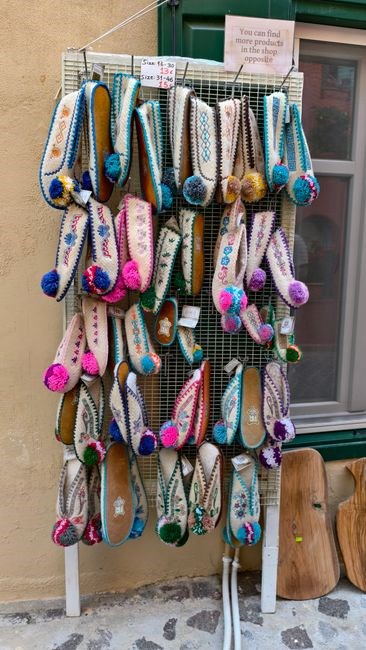
Free PDF patterns call for 100 g of chunky yarn (worsted weight) and 22‑mm straight needles. For cuffs, switch to 18‑mm needles and a lighter yarn. A elastic band or a simple cuff stitch keeps the slipper snug. Optional lining yarn adds softness.
Yarn Types and Needle Sizes
Free PDF slipper patterns typically call for chunky, worsted‑weight yarn that balances warmth and ease of handling. A 100‑gram ball of acrylic or wool blend (e.g., Lion Brand Chunky or Red Heart Super Saver) works well for beginners, offering a forgiving texture and quick stitch turnover. For a softer feel, a merino or alpaca blend can be used, though a slightly larger needle may be needed to keep the stitch size consistent.
Needle choice follows yarn weight. A 22‑mm (US 10) straight needle is standard for most chunky patterns, ensuring a relaxed gauge that keeps the slipper roomy. If you prefer a tighter fit or are using finer yarn, switch to a 20‑mm needle. For the cuff or toe cuff, many patterns suggest an 18‑mm (US 9) needle to create a snug, elastic band that holds the slipper in place without constricting the foot. Some designers recommend a double‑pointed needle for the cuff, especially if the cuff is a separate piece that needs to be knitted in the round. Remember to keep the gauge consistent and adjust for your foot size today!
In addition to the main yarn, a contrasting thread or a small amount of metallic yarn can add decorative edges or a subtle sheen. When selecting needles, consider the material: aluminum needles are lightweight and smooth, while bamboo needles offer a traditional feel and are gentler on the fingers. Stainless steel needles, though heavier, provide excellent durability for frequent use. A gauge swatch helps match the stitch density for a snug fit today! Enjoy! now
Downloading and Printing the PDF
Access the free PDF by visiting the pattern’s webpage, clicking the download link, and saving the file to your device. Open the PDF in a viewer, then select Print. Choose the correct paper size, set scaling to 100%, and ensure the orientation matches the layout. Print and enjoy! Enjoy knitting
Steps to Access and Print Free PDFs
To obtain a free knitted slipper PDF, first visit a trusted source such as KweenBee.com or Handy Little Me. On the homepage, look for a “Free Patterns” or “Download” link; most pages display a clear button that says “Download PDF” or “Free Slipper Pattern.” Click the link, and the browser will prompt you to save or open the file. Save the PDF to a folder on your computer or phone. Once the file is downloaded, open it with a PDF viewer (Adobe Reader, Preview on macOS, or the browser’s built‑in viewer). Confirm that the pages are in the correct order and that the stitch diagrams are legible. If the PDF is double‑sided, set the printer to “Print on Both Sides” or “Print Duplex” to avoid misaligned pages. Choose the appropriate paper size (A4 or Letter) and set scaling to 100 % so the layout remains true to the original. For best results, use a high‑resolution printer and select a paper weight that supports the chunky yarn diagrams. After printing, review the pages for any missing stitches or diagrams, then follow the knitting instructions. If you encounter any issues, most sites offer a “Print Tips” link or a short video tutorial to guide you through the process. Remember to keep the PDF handy for reference while you knit, and consider printing a copy on heavier paper for durability. Print each page on paper to preserve stitch detail and keep slippers crisp. You may also print on cardstock for sturdiness. 🙂
Crafting Tips for Beginners
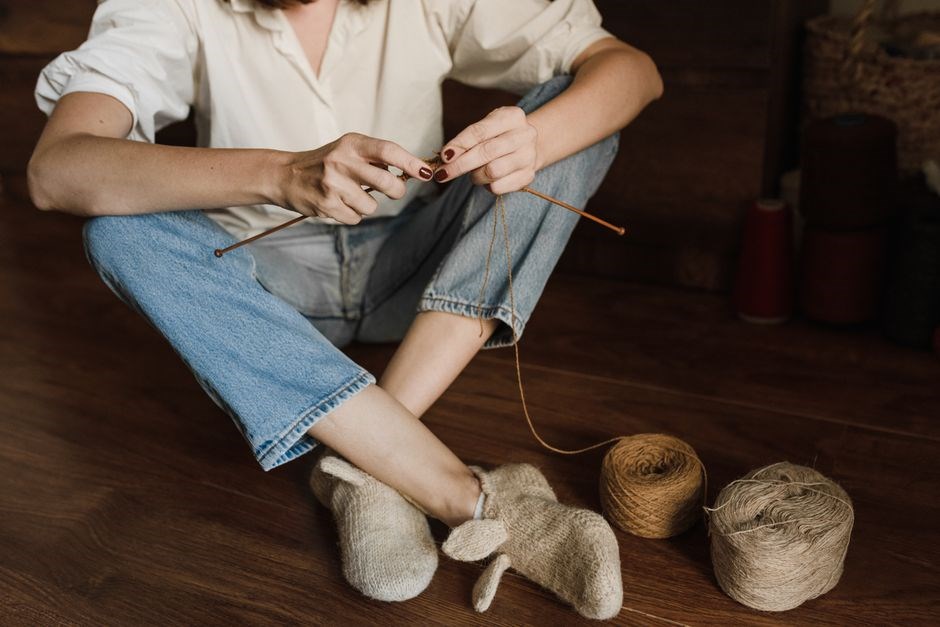
Beginner knitters can start with simple rib or garter stitches, using the free PDF from KweenBee or Handy Little Me. Follow the step‑by‑step photos, keep tension even, and check gauge before casting on. If a stitch drops, re‑cast on or use a stitch marker to track progress. Keep a marker handy!!
Using Basic Stitches and Troubleshooting
Start with a free PDF slipper pattern using basic stitches: garter, stockinette, or rib. Garter is flat and forgiving; stockinette smooth but curls; rib adds elasticity.
Check gauge with a swatch; PDF lists needle and yarn. Loose gauge makes slipper large, tight gauge shrinks after wash. Adjust needle or yarn to match recommended gauge.
Troubleshooting: use a stitch marker if a stitch falls. Tight heel? Add extra stockinette rows before shaping. Curls? Add rib band or thicker yarn. Keep spare needle handy.
Follow photo guides to double‑check stitch count. If unsure, pause PDF and search forums. Many free pattern sites have community threads with solutions.
Block after knitting: soak in lukewarm water, lay flat to dry. Blocking stretches yarn, ensuring snug fit. If too loose, block longer or add stitches in heel.
Choose yarn weight per PDF: chunky (worsted) for warmth, DK or sport for softness. Needle size should match yarn thickness; too small makes stiff, too large loose.
With these basics, knit a comfortable pair that fits well and looks polished, thanks to the clear free PDF pattern instructions.
After blocking, trim excess yarn ends add a decorative stitch or pom‑pom for flair. Use a yarn needle to weave in ends. Store slippers in a dry area to maintain shape!!
If you prefer a softer interior, line the slipper with a thin cotton batting before knitting. This adds breathability and keeps the slipper light. Remember to keep the pattern’s recommended stitch count to maintain size accuracy.
Customizing and Personalizing Slippers
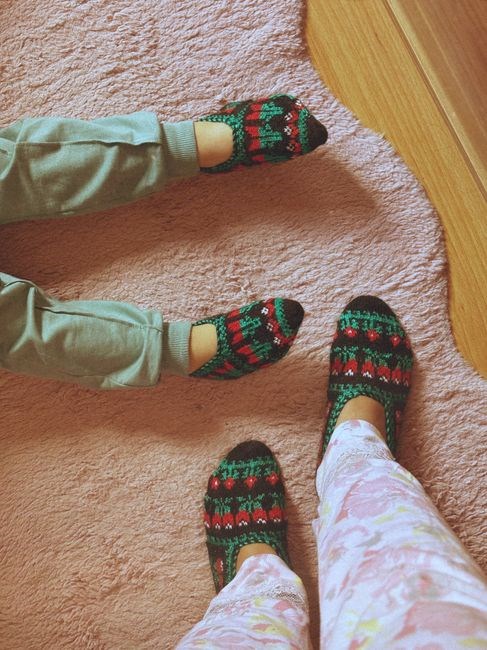
Choose yarn colors, add stripes, or knit a small border. Attach a pom‑pom or tassel for flair. Alter heel height by adding extra rows. Use a stitch marker to keep track of pattern changes. Personalize with initials or a favorite motif. and share.
Adding Colors, Embellishments, and Size Adjustments
When working with free PDF slipper patterns, color choice is the first customization step. Many patterns from KweenBee.com and Handy Little Me are written in neutral tones, but you can swap the yarn for a brighter hue or a two‑tone scheme. For example, knit the sole in a soft pastel and the upper in a contrasting shade to create a pop of color. If you prefer a subtle look, use a single yarn but add a thin stripe of metallic or silk yarn at the heel for a touch of elegance. Embellishments such as pom‑poms, tassels, or small knitted flowers can be attached to the toe or heel with a slip stitch. Use a small crochet hook to secure the embellishment and avoid bulk. Size adjustments are straightforward: add or remove a row of stitches in the heel or toe to increase or decrease foot length. For a wider fit, increase the number of stitches in the main body by two or four, then adjust the needle size accordingly. Always knit a gauge swatch before starting to ensure the final size matches your foot. These simple tweaks let you personalize each pair while keeping the pattern’s integrity intact.
Tip: If yarn is thicker than the pattern’s gauge, reduce needle size by one or two sizes to keep the slipper snug. Add a contrasting stitch border around the toe for flair. Test fit on your foot before cutting the final seam for comfortEnjoy
Community and Support Resources
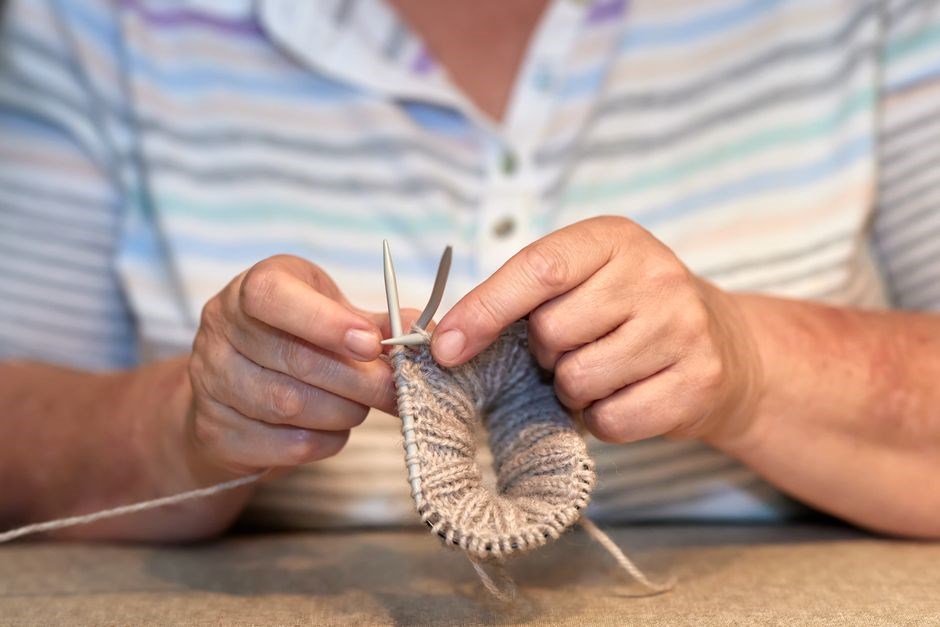
Knitting forums, Facebook groups, and Reddit threads offer tips, pattern swaps, and troubleshooting; Sites like Ravelry host user‑generated slipper patterns, while YouTube channels provide video tutorials. Engage with crafters for inspiration and support. Join community to share tips and photos
Online Forums and Additional Free Pattern Sources
Knitting communities thrive on shared knowledge. The most active forums, such as Ravelry, KnittingHelp, and the Knitting subreddit, host threads for slipper patterns where members post PDF links, stitch clarifications, and finish‑touch ideas. Members often provide free PDF downloads updated with seasonal color palettes.
Beyond forums, several free pattern repositories exist. The KweenBee site offers a downloadable PDF with slipper patterns. Handy Little Me hosts a 27‑slipper collection, all free to print. The Pinterest board “Free Slipper Patterns” aggregates PDFs from blogs. The Etsy filter surfaces free PDFs from independent designers.
Forums host live Q&A where knitters share troubleshooting hacks and daily tips.
Guides like “Knit with Me” on YouTube walk through slipper patterns, while podcasts such as “The Knitting Show” cover yarn choices and sizing tips today now!
Designers offer free bundles with yarn, needles, and a PDF today!!