
Overview of the Coronilla de la Divina Misericordia
The Coronilla de la Divina Misericordia is a devotional prayer linked to the second Sunday of Easter, originating from Saint Faustina Kowalska’s revelations. A PDF version offers a structured, scriptural format, enabling faithful to practice the prayer with clarity and accessibility. It aids devotion and is shared
Definition and Devotional Significance
The Coronilla de la Divina Misericordia is a short, repetitive prayer that expresses gratitude for God’s mercy and asks for the Holy Spirit’s guidance. It is derived from the messages received by Saint Faustina Kowalska, who reported that Jesus instructed her to circulate this prayer among the faithful. The text is concise, typically consisting of a few lines repeated several times, making it suitable for daily recitation or inclusion in liturgical services. In PDF form, the prayer is presented in a clear, legible layout, often accompanied by scriptural references that underscore its theological foundation. Devotees use the PDF to ensure accurate wording, to reflect on the themes of mercy, humility, and divine love, and to integrate the prayer into personal or communal worship. The format also facilitates sharing among parish groups, online communities, and individuals seeking a structured approach to this devotion. By engaging with the Coronilla, believers affirm their trust in God’s boundless compassion and invite the Holy Spirit to deepen their spiritual life. The PDF’s accessibility allows the prayer to be read aloud, printed, or displayed on digital devices, thereby extending its reach beyond traditional print editions. Its simplicity and profound message make it a staple of Catholic piety, especially during the season of Easter when the call to mercy is most pronounced. The Coronilla serves as a reminder that mercy is central to Christian faith, encouraging believers to live in continual gratitude and to seek God’s grace in every moment. …
Popularity Among Catholic Faithful
The Coronilla de la Divina Misericordia has become a ubiquitous element of Catholic devotional life, especially in Spanish‑speaking communities. Its popularity stems from several factors. First, the prayer’s brevity and rhythmic structure make it easy to memorize and repeat, allowing believers to incorporate it into daily routines, whether during morning prayers, before meals, or while commuting. Second, the PDF format offers a convenient, portable way to access the text; parishioners can download the file, print it, or display it on smartphones and tablets, ensuring that the devotion remains accessible in a digital age. Third, the message of mercy resonates deeply with contemporary concerns about compassion, forgiveness, and social justice, prompting many to use the prayer as a spiritual anchor amid modern challenges. Fourth, the endorsement by the Sisters of Mercy and the official Catholic Church has lent ecclesiastical credibility, encouraging clergy to recommend the PDF in homilies, catechesis, and sacramental preparation. Finally, the communal aspect—praying the Coronilla together in small groups, family settings, or church gatherings—fosters a sense of unity and shared faith. As a result, the PDF version is widely distributed through parish websites, Catholic app stores, and online forums, and it is frequently featured in devotional calendars, prayer books, and social media posts. The widespread use of the Coronilla PDF reflects a broader trend of digital devotionals that allow faithful to maintain traditional prayers while embracing modern technology. Its enduring appeal lies in its simplicity, theological depth, and the universal call to divine mercy that it encapsulates.
Moreover, the PDF’s interactive features—such as clickable links to related prayers, embedded audio recitations, and color‑coded sections—enhance user engagement. Many parishioners report that having a digital copy reduces the risk of losing handwritten copies and allows them to share the devotion with friends and family across borders. The continued growth in downloads during the Easter season underscores the devotion’s role as a spiritual companion for believers seeking comfort and guidance. In addition, the PDF is often included in online prayer calendars, and its availability in multiple languages—Spanish, English, Portuguese, and Italian—has broadened its reach beyond Spanish‑speaking regions. Its digital presence has inspired apps now that sync reminders!!
Historical Context and Origins
The Coronilla de la Divina Misericordia originates from Saint Faustina Kowalska’s 1931 apparitions in Warsaw. She received the prayer from Jesus, who requested its recitation on the second Easter Sunday. The PDF preserves this text for modern devotion.It is beloved.
Santa Faustina Kowalska’s Apparitions and the Revelation
In the spring of 1931, Sister Faustina Kowalska, a young Polish nun of the Sisters of the Blessed Virgin Mary, experienced a series of supernatural encounters at the convent of the Mother of God of Mercy in Warsaw. During these apparitions, Jesus Christ appeared to her in a radiant form, accompanied by the Blessed Virgin Mary. The Divine Child revealed a new devotion: the Coronilla de la Divina Misericordia, a brief prayer to be recited on the second Sunday of Easter. He instructed Sister Faustina to write the words in a small notebook, promising that its recitation would bring the faithful closer to the mercy of God. The prayer was first published in 1932 in the convent’s bulletin, and later, in 1950, Pope Pius XII approved its use in the Catholic liturgical calendar. The original manuscript, preserved in the convent archives, was digitized in the early 2000s and released as a PDF to facilitate worldwide devotion. The PDF version retains the original scriptural references—such as the words of Jesus in the Gospel of John—and the concise structure, allowing believers to recite the Coronilla with ease and reverence. This digital format has become an essential tool for Catholics seeking to deepen their spiritual life through the mercy prayer, and it continues to be distributed by authorized publishers and online platforms, ensuring accessibility for all who wish to participate in this devotion. The PDF also includes a commentary that explains the theological significance of the prayer, highlighting the themes of divine mercy, intercession, and the call to love one another.
Institutional Adoption by the Sisters of Mercy
The Sisters of Mercy of the Mother of God of Mercy embraced the Coronilla de la Divina Misericordia shortly after its revelation, integrating it into their daily liturgical life. The order established a formal schedule for the recitation, beginning each week with the Coronilla on the second Sunday of Easter and extending it to a weekly devotion. In 1933, the convent’s spiritual director authorized the printing of the prayer in the convent’s bulletin, and by 1935 the first official manuscript was copied by hand and distributed among the sisters. The Sisters of Mercy also created a standardized liturgical booklet, which was later digitized into a PDF format, ensuring that the text remained faithful to the original while being accessible to a broader audience. The adoption process involved rigorous theological review; the order’s council confirmed that the prayer aligned with Catholic doctrine and the teachings of the Church. The PDF version includes annotations that explain the scriptural basis, the role of the Virgin Mary, and the theological emphasis on mercy. The Sisters of Mercy have since promoted the Coronilla through retreats, catechetical programs, and community prayer groups, making the PDF a central resource for both clergy and laity. The adoption has strengthened the order’s identity as a community devoted to the mercy of Christ, and the PDF remains a vital tool for spiritual formation and outreach worldwide. This PDF is now freely available for all who seek deeper devotion every day!
Structure and Content of the PDF Version
The PDF layout features a clear, two‑column design with the prayer text, scriptural citations, and reflective prompts. Each page includes a header with the title, a footer listing the source, and a margin note for personal meditation. The format ensures readability and accessibility for all. PDFDownload!!
Layout and Scriptural References
The PDF’s layout is intentionally simple yet reverent, employing a two‑column format that mirrors traditional prayer books. Each column contains the full text of the Coronilla, with the first column presenting the prayer in its original Polish and the second column offering an English translation. Margins are generous, allowing space for personal notes and reflections. At the top of every page, a header displays the title “Coronilla de la Divina Misericordia” in an elegant serif font, while a footer lists the source and copyright information. Beneath the main prayer, a dedicated section lists scriptural references that underpin the devotion: the Gospel of John (13:34‑35, 17:1‑26), the Epistle to the Romans (8:1‑2), and the Psalms (23:1‑4). Each reference is hyperlinked to the relevant verse in the online Bible, facilitating quick study. The PDF also includes a sidebar with a brief commentary on how each scripture relates to the themes of mercy, love, and divine grace. This design not only preserves the sanctity of the prayer but also encourages deeper engagement with the biblical foundations of the Divine Mercy message.

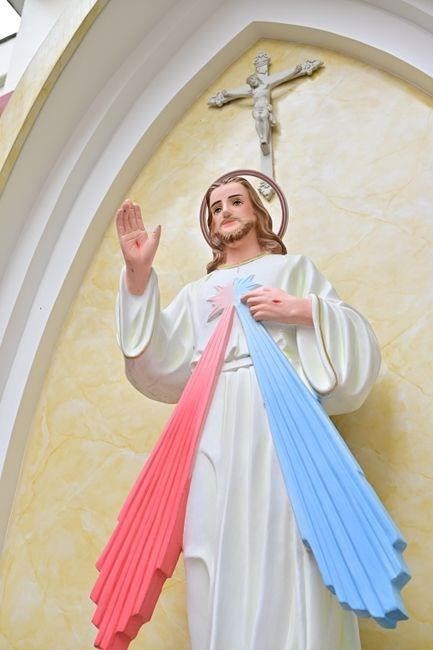
Additionally, the PDF incorporates high‑resolution images of the Divine Mercy icon and subtle watermarking of the cross to enhance visual focus. The document is optimized for screen readers, with alt text for all images and a table of contents that allows navigation by chapter. The use of a standard PDF/A format ensures long‑term preservation and compatibility across devices. Users can zoom in without loss of quality, making it suitable for both handheld devices and large‑screen displays. The layout also considers color contrast, using dark text on a light background to reduce eye strain during extended prayer sessions. By combining clear scriptural citations with thoughtful design, the PDF serves as a reliable tool for daily devotion and theological study alike.
Digital Formatting and Accessibility Features
Modern PDF editions of the Coronilla de la Divina Misericordia are engineered for universal use. The file adopts the PDF/A‑2b standard, guaranteeing long‑term preservation. A built‑in table of contents links each prayer section to its page, enabling instant navigation. The text is encoded in UTF‑8, so every diacritic and special character displays correctly on any operating system. and deepens the connection with Divine Mercy. and renews hope each day!
Accessibility is prioritized through comprehensive tagging. The document is fully navigable by screen readers: headings, paragraphs, lists, and the embedded icon are tagged with descriptive labels. Alt‑text accompanies the Divine Mercy icon, describing its colors and symbolism. The PDF supports adjustable font sizes; users can zoom from 50 % to 400 % while retaining crisp typography thanks to vector graphics and scalable text layers for clarity.
Color contrast follows WCAG 2.1 AA guidelines, with a dark‑text‑on‑light‑background scheme that reduces eye strain during long prayer sessions. The layout includes a subtle watermark of a cross, placed at 10 % opacity. Hyperlinks to scriptural passages open in a new browser tab, allowing readers to cross‑reference verses without leaving the devotional context and enhances spiritual focus for deeper reflection and unity.
Finally, the PDF is compressed to under 2 MB, ensuring quick download on mobile networks while preserving high‑resolution imagery. These features make the digital version a reliable by tool for daily devotion worldwide

Practical Guidance for Devotion
Use the PDF during morning or evening prayer. Open the file, read the introduction, then recite the Coronilla aloud, pausing after each line. Set a reminder on your phone to repeat at noon and before bed, ensuring consistent devotion and reflection. Afterward review the PDF’s notes for deeper insight now.
Suggested Prayer Times and Rituals
For those who wish to incorporate the Coronilla de la Divina Misericordia into their daily rhythm, the PDF offers a clear schedule that aligns with traditional Catholic practice. Begin at dawn, reading the introductory commentary that explains the prayer’s origin from Saint Faustina Kowalska’s revelations. Then, recite the first set of verses while lighting a candle, symbolizing the light of divine mercy. At midday, pause for a brief reflection, allowing the words to settle in your heart before moving to the second portion of the PDF, which contains scriptural references that reinforce the prayer’s theological depth. In the afternoon, consider a short meditation on the “I am the Mercy” phrase, repeating it silently to deepen the sense of personal connection. Finally, before bed, read the concluding prayers and the optional blessing, closing with a moment of gratitude for the mercy received throughout the day. This routine not only structures the devotion but also creates a tangible rhythm that echoes the rhythm of the liturgical calendar. By following these suggested times, you honor the tradition while making the prayer accessible in a modern, digital format.
To enhance the experience, many devotees set a gentle alarm on their phone to remind them of the PDF’s opening page. Some also print a small, laminated copy to keep beside their rosary. When reading, it is helpful to pause after each line, taking a breath and visualizing the mercy of Christ. This mindful practice deepens the prayer’s impact, turning routine moments into opportunities for grace. By integrating the PDF into your daily routine you invite a flow of divine mercy into every aspect of life!.

Integrating the PDF into Daily Worship

When you download the Coronilla de la Divina Misericordia PDF, place it in a visible location—perhaps on your phone’s home screen or a dedicated folder. Begin each morning by opening the PDF and reading the introductory section, which explains the historical context and spiritual intent behind the prayer. The PDF’s clear layout, with numbered verses and scripture, allows you to follow along easily.
During Mass, many faithful bring the PDF to the altar side. After the first reading, pause to glance at the relevant verse, then continue with the homily. This practice turns the liturgy into a living dialogue with the text, reinforcing themes of mercy and compassion. Between the first and second readings, you can also use the PDF to silently repeat the “I am the Mercy” affirmation, grounding the congregation in the prayer’s core message.

For personal devotion, set aside a specific time each day—such as the evening before sleep—when you open the PDF and read through the entire document. Use the built‑in bookmarks to navigate quickly to sections that resonate with your current spiritual needs.
Finally, consider sharing the PDF with a small prayer group or family. By discussing the verses together, you deepen collective understanding and create a supportive environment that nurtures the practice of mercy. The digital format also allows for easy updates, ensuring that the most accurate and authorized version is always at hand. Share the PDF with friends to foster a community of mercy, and let the words inspire daily act of compassion for all who seek grace everywhere today.
Contemporary Resources and Distribution
Official publishers provide the Coronilla PDF via their sites, ensuring authenticity. Authorized copies are downloadable from the Sisters of Mercy portal or Catholic shops. Online platforms like Catholic.org and community forums also share verified PDFs free.
Official Publishing Houses and Authorized PDFs
The Sisters of Mercy, founded by Saint Faustina Kowalska, manage the official distribution of the Coronilla de la Divina Misericordia. Their publishing arm, Mother of God Press, issues a meticulously formatted PDF that contains the original Polish text, an English translation, and scriptural citations. The document is freely downloadable from the official website, guaranteeing authenticity and preventing unauthorized alterations. The Catholic Bookstore Network partners with the Sisters to supply printed copies and digital editions through major Catholic retailers. The Vatican’s portal hosts a verified PDF, endorsed by the Congregation for the Doctrine of the Faith, confirming doctrinal accuracy. Authorized sources enforce strict quality control, offering searchable text, adjustable font sizes, and embedded audio recitations for accessibility. By using these channels, devotees trust the prayer’s integrity and can share the PDF confidently, knowing it aligns with Church guidelines and the original revelations of Saint Faustina. A global licensing agreement allows authorized publishers in different languages to produce faithful translations while preserving the core structure. Digital rights management prevents piracy, and the PDF includes a watermark identifying the source. The Sisters also provide a mobile app that streams the PDF and offers daily reminders, making the devotion accessible on smartphones and tablets. Subscribers receive a monthly newsletter highlighting new translations and updates, ensuring the devotion remains vibrant across cultures. Church-endorsed and freely available worldwide today!!!
Online Platforms and Community Sharing
The Coronilla de la Divina Misericordia PDF is now widely available through official and community channels. The Sisters of Mercy’s website offers a free, authenticated download, while the Vatican’s portal provides a verified version for global use. Catholic social media groups on Facebook, WhatsApp, and Telegram circulate the PDF, often with audio recitations and daily reminders. Many devotees upload the document to Google Drive and Dropbox, granting access to friends and parishioners worldwide. A dedicated mobile app syncs the PDF with a prayer calendar, enabling users to receive notifications on the second Sunday of Easter and other key dates. Community forums on Reddit’s r/Catholicism and Catholic Answers host discussions where members share personal testimonies and suggest ways to incorporate the Coronilla into Mass and devotions. Prayer circles on Zoom and Microsoft Teams use the PDF as a shared resource, allowing participants to read aloud together. The Sisters of Mercy also maintain a YouTube channel that streams the PDF with guided meditation, ensuring accessibility for visually impaired users. By leveraging these platforms, the faithful can maintain a consistent practice, foster communal bonds, and ensure the authenticity of the prayer remains intact across digital borders. Additionally, many parishes embed the PDF into their weekly bulletin, making it easy for parishioners to download and print. Some dioceses partnered with the Sisters of Mercy to create a QR code linking the PDF allowing quick access every day at Mass.